FulgentDC App
🌿 Health Pulse
Where Health Professionals Connect & Share
Share your healthcare experiences, insights, and stories with the community
Join the Conversation
Login to share your healthcare experiences and connect with colleagues.
PREMIUM TELEMEDICINE
Access Portal
Fulgent Digital Clinic
Nigeria's leading telemedicine platform. Connect with licensed doctors from anywhere, anytime.
RC - 9612588 | Registered in Nigeria
Patient
Doctor
Nurse
Staff
J
Nurse
Aug 23, 2026 • 9:53 AM
📌 General

J
Nurse
Aug 23, 2026 • 8:29 AM
📌 General

A Glorious Sunday!!♥️
No comments yet. Be the first to comment!
Login to comment
J
Nurse
Aug 23, 2026 • 8:26 AM
📌 General
Happy Sunday, Friends 🤗
No comments yet. Be the first to comment!
Login to comment
M
Nurse
Aug 16, 2026 • 9:07 AM
📌 General

Compliments
No comments yet. Be the first to comment!
Login to comment
J
Nurse
Aug 14, 2026 • 9:58 AM
📌 General
Dream
No comments yet. Be the first to comment!
Login to comment
F
Nurse
Aug 08, 2026 • 7:56 PM
📌 General
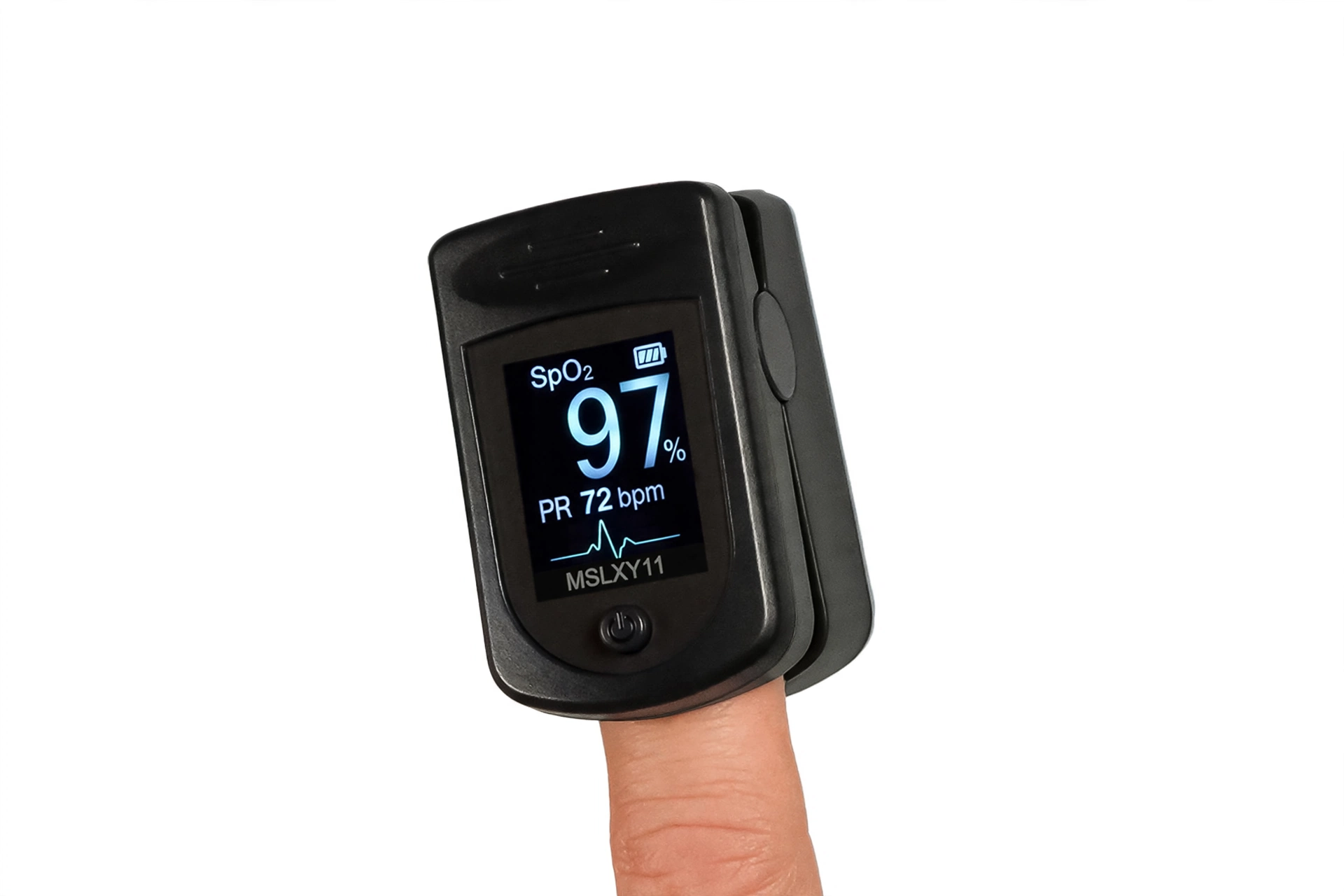
📢 **New Listing Alert!**
**Fingertip Pulse Oximeter – MSLXY11**
👤 Posted by: Joy Agbara
📂 Type: Equipment
📍 Location: Distributed in Nigeria by Fulgent Digital Clinic
💰 Price: $14
🏷️ Brand: 🏆 Engineered by Medsinglong (MSL) – A Global Leader in Medical Technology
🔗 **View this item on Health Hub:**
https://uhd.com.ng/nurse_mart/details.php?id=161 />
🛒 Click the link above to view details and make a purchase!
---
🏥 *Shared from Health Hub - Africa's #1 Healthcare Marketplace*
**Fingertip Pulse Oximeter – MSLXY11**
👤 Posted by: Joy Agbara
📂 Type: Equipment
📍 Location: Distributed in Nigeria by Fulgent Digital Clinic
💰 Price: $14
🏷️ Brand: 🏆 Engineered by Medsinglong (MSL) – A Global Leader in Medical Technology
🔗 **View this item on Health Hub:**
https://uhd.com.ng/nurse_mart/details.php?id=161
🛒 Click the link above to view details and make a purchase!
---
🏥 *Shared from Health Hub - Africa's #1 Healthcare Marketplace*
No comments yet. Be the first to comment!
Login to comment
F
Nurse
Aug 07, 2026 • 8:18 PM
📌 General
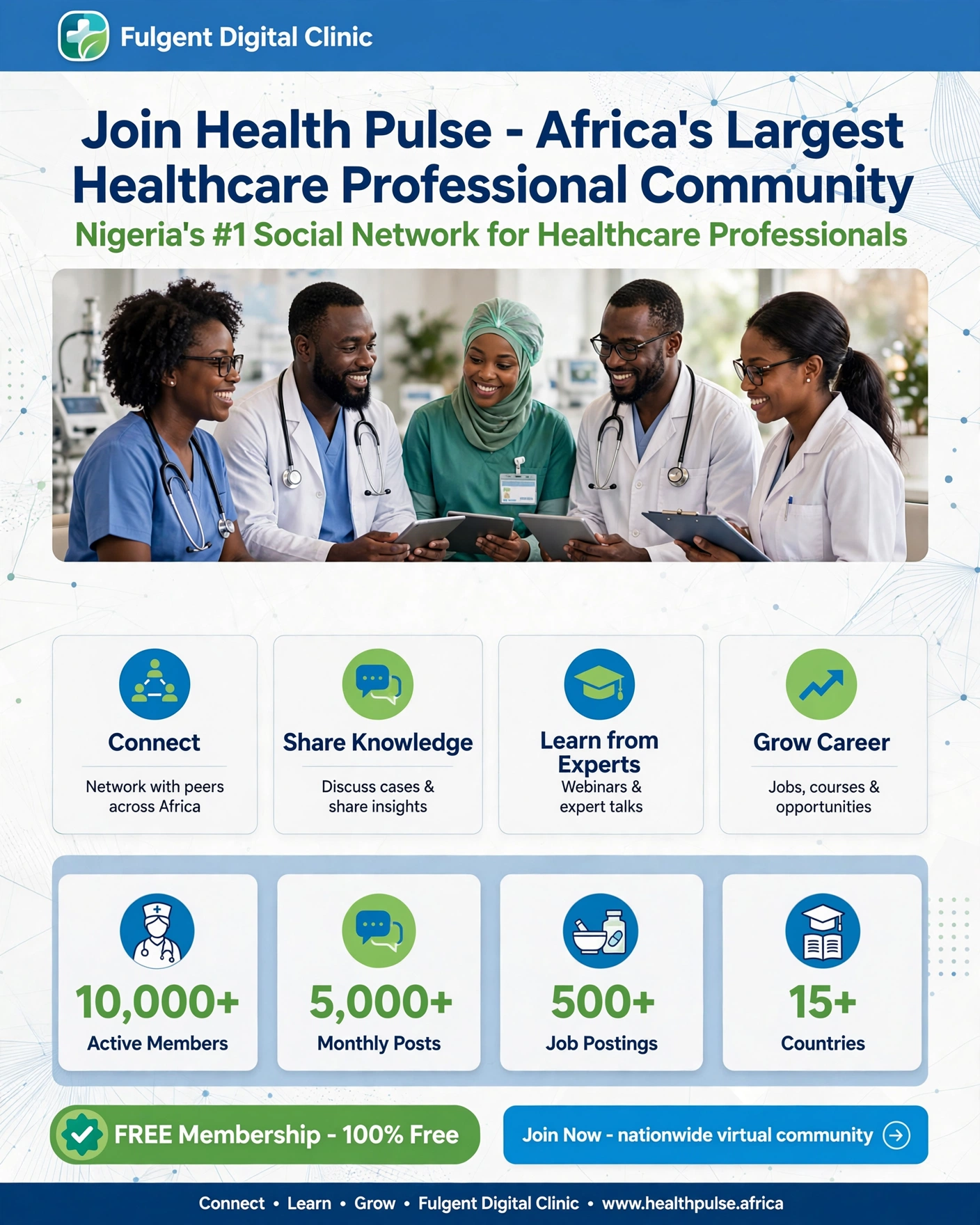
📢 **New Listing Alert!**
**🏥 Join Health Pulse - Africa's Largest Healthcare Professional Community**
👤 Posted by: Kelechi Neagbara
📂 Type: Service
📍 Location: Worldwide
🏷️ Brand: Health Pulse
🔗 **View this item on Health Hub:**
https://uhd.com.ng/nurse_mart/details.php?id=153 />
🛒 Click the link above to view details and make a purchase!
---
🏥 *Shared from Health Hub - Africa's #1 Healthcare Marketplace*
**🏥 Join Health Pulse - Africa's Largest Healthcare Professional Community**
👤 Posted by: Kelechi Neagbara
📂 Type: Service
📍 Location: Worldwide
🏷️ Brand: Health Pulse
🔗 **View this item on Health Hub:**
https://uhd.com.ng/nurse_mart/details.php?id=153
🛒 Click the link above to view details and make a purchase!
---
🏥 *Shared from Health Hub - Africa's #1 Healthcare Marketplace*
No comments yet. Be the first to comment!
Login to comment
J
Nurse
Aug 04, 2026 • 9:16 AM
📌 General
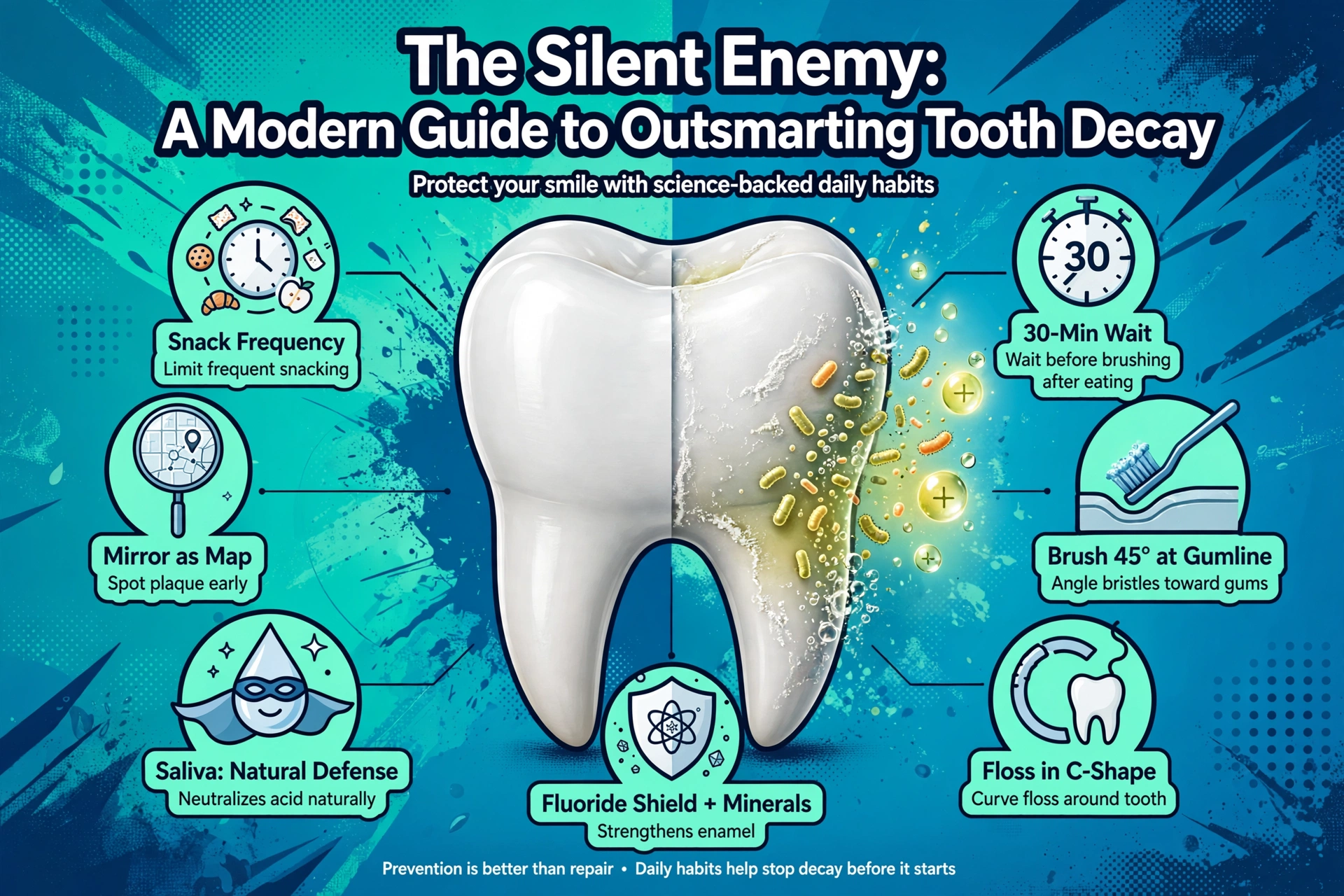
Outsmarting Tooth Decay
Tooth decay is the most common chronic disease worldwide, yet it is almost entirely preventable. It doesn’t happen overnight; it is a slow, chemical process fueled by the bacteria in your mouth. When you eat sugar, these bacteria produce acid that attacks your enamel. Over time, this demineralization creates cavities.
But here is the good news: your teeth are not passive victims. With a shift in strategy, you can halt the decay process before it starts. Here is your modern blueprint for a cavity-free life.
1. Rethink Your "Snacking" Habit (Frequency Over Quantity)
It is not just how much sugar you eat, but how often you eat it. Every time you take a bite of a carbohydrate or sugar, your mouth enters an "acid attack" that lasts for 20 to 30 minutes. If you sip on a soda or graze on chips all afternoon, your teeth never get a break.
The Fix: Consolidate your eating into meals and limit snacks to once or twice a day. If you do snack, choose "tooth-friendly" foods like cheese, nuts, or raw vegetables, which help scrub the teeth and stimulate saliva flow.
2. Master the "Wait 30" Rule
This is the most common mistake in oral hygiene. Brushing immediately after a meal—especially after acidic foods like oranges, coffee, or soda—is like scrubbing a wet sponge. You are actually brushing the acid into the softened enamel, wearing it away.
The Fix: Wait 30 minutes after eating before you brush. In the meantime, drink a glass of water or chew sugar-free gum to neutralize the pH in your mouth.
3. Upgrade Your Brushing Technique (Not Just Your Brush)
Electric toothbrushes are great, but a $300 brush is useless if you aren't using it correctly. Most people brush too hard and miss the gumline—the "plaque trap" where decay often starts.
The Fix: Hold your brush at a 45-degree angle toward the gumline. Use short, back-and-forth strokes or circular motions. Brush for a full two minutes (split your mouth into quadrants—30 seconds each). Do not scrub; let the bristles do the work.
4. Floss Like a "C"
Flossing isn't about removing the visible food stuck between your teeth; it is about breaking up the invisible biofilm (plaque) below the gumline. If you just snap the floss in and out, you are missing the point.
The Fix: Curve the floss into a "C-shape" around the base of each tooth and gently slide it beneath the gumline. Move it up and down 5 times. If floss is difficult, use interdental brushes or a water flosser, but aim for at least once daily.
5. Harness the Power of Fluoride (And Xylitol)
Fluoride is nature's cavity fighter. It doesn't just prevent decay; it actually reverses early damage by attracting minerals back to the enamel.
The Fix: Use a fluoride toothpaste. Do not rinse with water immediately after spitting out the toothpaste—leave the residue on your teeth for 20 minutes to allow the fluoride to absorb. Additionally, chew gum containing Xylitol (a natural sweetener that starves cavity-causing bacteria) 3–5 times a day for maximum protection.
6. Saliva is Your Superhero
Dry mouth is decay’s best friend. Saliva washes away food, neutralizes acids, and contains calcium and phosphate to rebuild enamel. Many medications, alcohol, and mouthwashes containing alcohol reduce saliva flow.
The Fix: Stay hydrated throughout the day. Chew sugar-free gum to stimulate flow. If you suffer from chronic dry mouth, ask your dentist about prescription-strength toothpaste or artificial saliva rinses.
7. Don't Skip the "Map" (Visit Your Dentist)
Prevention is cheaper than treatment. Cavities don't hurt until they reach the nerve, meaning by the time you feel pain, the decay is deep.
The Fix: Schedule a check-up every six months. Dentists can spot early demineralization (white spots on the teeth) and treat it with a high-concentration fluoride varnish before a drill is ever needed.
Tooth decay is a battle of biology, not destiny. By controlling the frequency of sugar, perfecting your timing and technique, and utilizing the natural repairing power of saliva and fluoride, you can keep your enamel strong for a lifetime. Your smile is an investment—protect it daily.
Tooth decay is the most common chronic disease worldwide, yet it is almost entirely preventable. It doesn’t happen overnight; it is a slow, chemical process fueled by the bacteria in your mouth. When you eat sugar, these bacteria produce acid that attacks your enamel. Over time, this demineralization creates cavities.
But here is the good news: your teeth are not passive victims. With a shift in strategy, you can halt the decay process before it starts. Here is your modern blueprint for a cavity-free life.
1. Rethink Your "Snacking" Habit (Frequency Over Quantity)
It is not just how much sugar you eat, but how often you eat it. Every time you take a bite of a carbohydrate or sugar, your mouth enters an "acid attack" that lasts for 20 to 30 minutes. If you sip on a soda or graze on chips all afternoon, your teeth never get a break.
The Fix: Consolidate your eating into meals and limit snacks to once or twice a day. If you do snack, choose "tooth-friendly" foods like cheese, nuts, or raw vegetables, which help scrub the teeth and stimulate saliva flow.
2. Master the "Wait 30" Rule
This is the most common mistake in oral hygiene. Brushing immediately after a meal—especially after acidic foods like oranges, coffee, or soda—is like scrubbing a wet sponge. You are actually brushing the acid into the softened enamel, wearing it away.
The Fix: Wait 30 minutes after eating before you brush. In the meantime, drink a glass of water or chew sugar-free gum to neutralize the pH in your mouth.
3. Upgrade Your Brushing Technique (Not Just Your Brush)
Electric toothbrushes are great, but a $300 brush is useless if you aren't using it correctly. Most people brush too hard and miss the gumline—the "plaque trap" where decay often starts.
The Fix: Hold your brush at a 45-degree angle toward the gumline. Use short, back-and-forth strokes or circular motions. Brush for a full two minutes (split your mouth into quadrants—30 seconds each). Do not scrub; let the bristles do the work.
4. Floss Like a "C"
Flossing isn't about removing the visible food stuck between your teeth; it is about breaking up the invisible biofilm (plaque) below the gumline. If you just snap the floss in and out, you are missing the point.
The Fix: Curve the floss into a "C-shape" around the base of each tooth and gently slide it beneath the gumline. Move it up and down 5 times. If floss is difficult, use interdental brushes or a water flosser, but aim for at least once daily.
5. Harness the Power of Fluoride (And Xylitol)
Fluoride is nature's cavity fighter. It doesn't just prevent decay; it actually reverses early damage by attracting minerals back to the enamel.
The Fix: Use a fluoride toothpaste. Do not rinse with water immediately after spitting out the toothpaste—leave the residue on your teeth for 20 minutes to allow the fluoride to absorb. Additionally, chew gum containing Xylitol (a natural sweetener that starves cavity-causing bacteria) 3–5 times a day for maximum protection.
6. Saliva is Your Superhero
Dry mouth is decay’s best friend. Saliva washes away food, neutralizes acids, and contains calcium and phosphate to rebuild enamel. Many medications, alcohol, and mouthwashes containing alcohol reduce saliva flow.
The Fix: Stay hydrated throughout the day. Chew sugar-free gum to stimulate flow. If you suffer from chronic dry mouth, ask your dentist about prescription-strength toothpaste or artificial saliva rinses.
7. Don't Skip the "Map" (Visit Your Dentist)
Prevention is cheaper than treatment. Cavities don't hurt until they reach the nerve, meaning by the time you feel pain, the decay is deep.
The Fix: Schedule a check-up every six months. Dentists can spot early demineralization (white spots on the teeth) and treat it with a high-concentration fluoride varnish before a drill is ever needed.
Tooth decay is a battle of biology, not destiny. By controlling the frequency of sugar, perfecting your timing and technique, and utilizing the natural repairing power of saliva and fluoride, you can keep your enamel strong for a lifetime. Your smile is an investment—protect it daily.
No comments yet. Be the first to comment!
Login to comment
F
Vendor
Aug 04, 2026 • 8:17 AM
📌 General
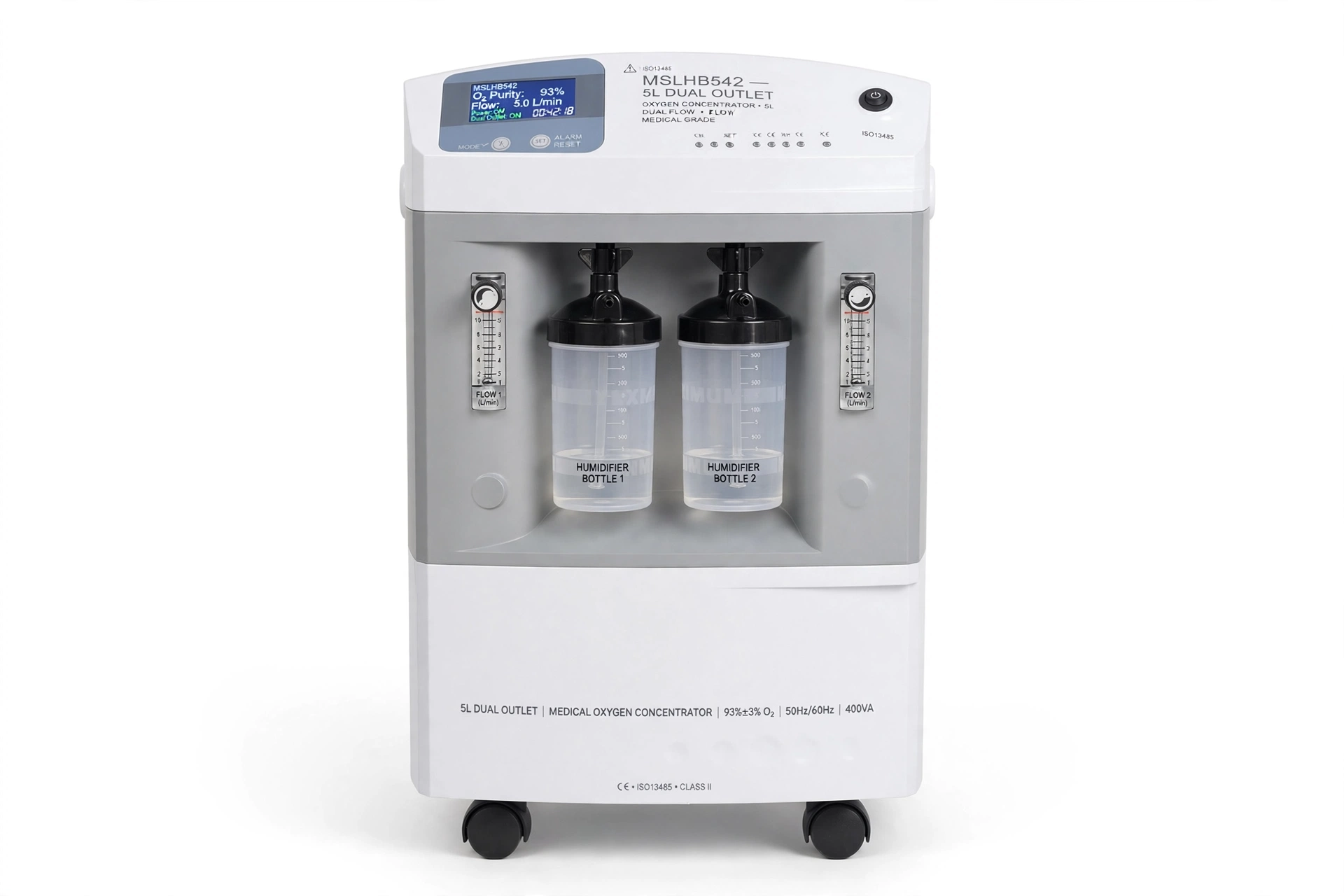
📢 **New Listing Alert!**
**Oxygen Concentrator Machine – MSLHB542**
👤 Posted by: Joy Agbara
📂 Type: Equipment
📍 Location: Distributed By Fulgent Digital Clinic, Lagos, Nigeria
💰 Price: $685
🏷️ Brand: 🏆 Engineered by Medsinglong (MSL) – A Global Leader in Medical Technology
🔗 **View this item on Health Hub:**
https://uhd.com.ng/nurse_mart/details.php?id=162 />
🛒 Click the link above to view details and make a purchase!
---
🏥 *Shared from Health Hub - Africa's #1 Healthcare Marketplace*
**Oxygen Concentrator Machine – MSLHB542**
👤 Posted by: Joy Agbara
📂 Type: Equipment
📍 Location: Distributed By Fulgent Digital Clinic, Lagos, Nigeria
💰 Price: $685
🏷️ Brand: 🏆 Engineered by Medsinglong (MSL) – A Global Leader in Medical Technology
🔗 **View this item on Health Hub:**
https://uhd.com.ng/nurse_mart/details.php?id=162
🛒 Click the link above to view details and make a purchase!
---
🏥 *Shared from Health Hub - Africa's #1 Healthcare Marketplace*
No comments yet. Be the first to comment!
Login to comment
M
Nurse
Aug 04, 2026 • 7:30 AM
📌 General

Enlightening
No comments yet. Be the first to comment!
Login to comment
J
Nurse
Aug 04, 2026 • 6:51 AM
📌 General

Health Wise
No comments yet. Be the first to comment!
Login to comment
K
Nurse
Aug 03, 2026 • 12:51 PM
📌 General
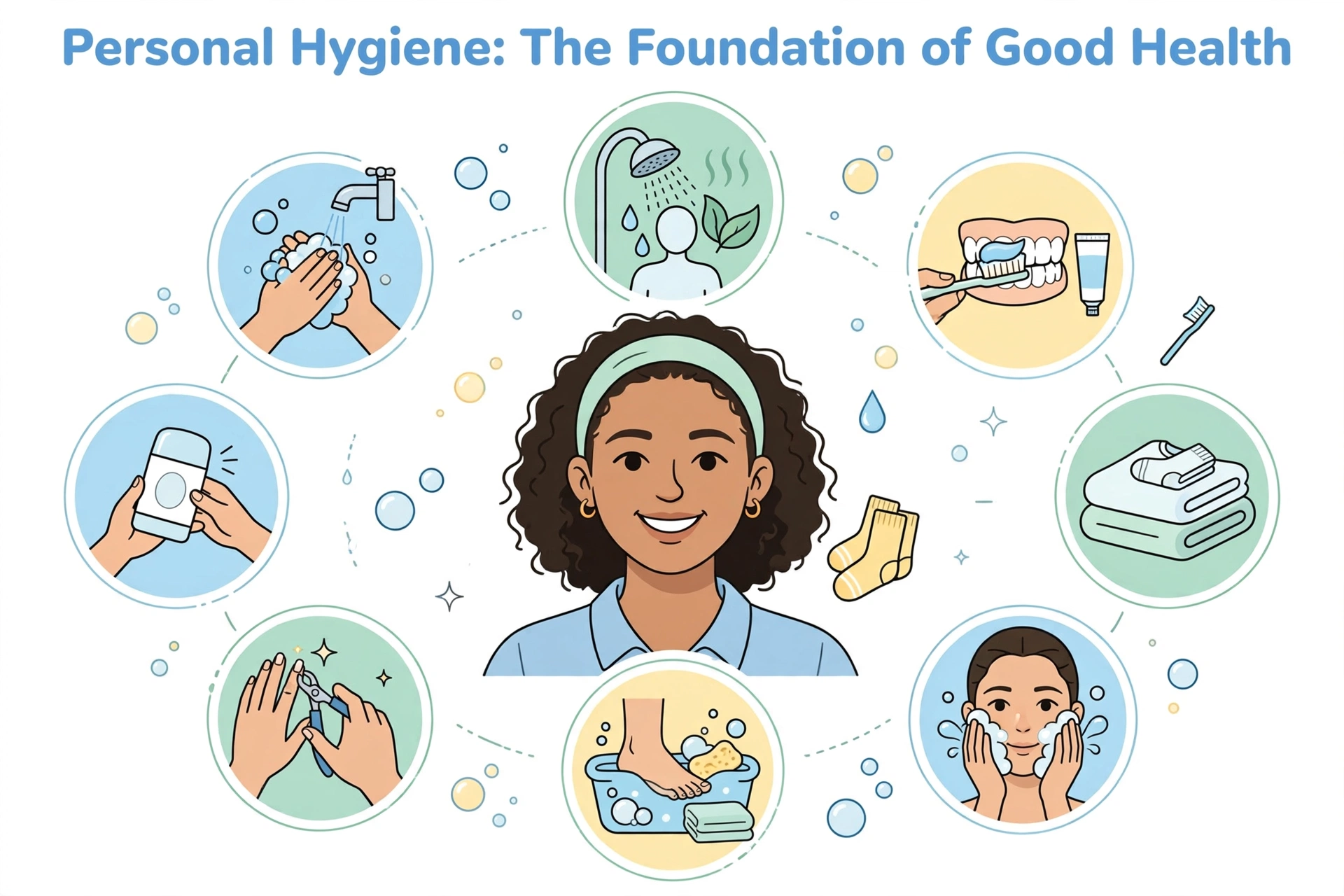
🧼 Personal Hygiene and Good Health
Your Daily Habits Matter More Than You Think
📋 Why Personal Hygiene Matters
Personal hygiene is more than just looking and smelling good. It is your first line of defense against illness and disease. Good hygiene practices help prevent the spread of infections, boost your immune system, and contribute to overall well-being. When you maintain proper hygiene, you not only protect yourself but also those around you from harmful germs and bacteria. It is a fundamental aspect of a healthy lifestyle that should never be overlooked.
🚿 Daily Hygiene Essentials
Washing your hands regularly is one of the most important hygiene practices you can adopt. You should wash with soap and water for at least twenty seconds, especially before eating, after using the restroom, after coughing or sneezing, and after touching public surfaces. When soap and water are not available, using hand sanitizer can serve as an effective alternative to keep your hands clean and germ-free.
Showering or bathing daily is essential for removing sweat, dirt, and dead skin cells from your body. This practice prevents body odor and skin infections while helping you feel refreshed and energized throughout the day. A daily shower also promotes better skin health and overall cleanliness.
Your oral hygiene routine should include brushing your teeth twice daily for at least two minutes using fluoride toothpaste. Flossing daily is equally important as it removes food particles and plaque from between your teeth where your toothbrush cannot reach. Regular dental check-ups are also crucial for maintaining optimal oral health.
Wearing clean clothes is another essential aspect of personal hygiene. You should change your underwear and socks daily and wash your clothes regularly. Wearing fresh clothes after bathing ensures that you do not reintroduce dirt and bacteria to your clean body, maintaining your overall cleanliness and comfort throughout the day.
🦷 Oral Hygiene
Oral hygiene goes beyond just having a bright smile. It prevents tooth decay and cavities, gum disease, bad breath, and even heart disease, as studies have shown a link between gum disease and cardiovascular health. Taking care of your teeth and gums is an investment in your overall health. Remember to replace your toothbrush every three to four months or sooner if the bristles become frayed to ensure effective cleaning.
✋ Hand Hygiene
Proper hand hygiene is critical for preventing the spread of illness. You should wash your hands before eating or preparing food, after using the toilet, after coughing, sneezing, or blowing your nose, after touching public surfaces, after handling garbage, and before and after caring for someone who is sick. Hand washing with soap and water for at least twenty seconds is the most effective way to remove germs and prevent the spread of infections.
💊 Menstrual Hygiene
Menstrual hygiene is an essential aspect of women's health that requires proper attention. Women should change sanitary pads or tampons every four to six hours and wash their hands before and after changing. Used products should be disposed of properly to maintain hygiene and prevent infections. Wearing clean, breathable underwear and tracking your menstrual cycle for better health awareness are also important practices that contribute to overall well-being during menstruation.
🧴 Skin Care & Hygiene
Proper skin care is an important part of personal hygiene. You should wash your face twice daily and exfoliate gently once a week to remove dead skin cells and unclog pores. Moisturizing after washing helps keep your skin hydrated and healthy. Applying sunscreen daily protects your skin from harmful UV rays, and it is important to avoid popping pimples as it can cause scarring and lead to infections.
🦶 Foot Hygiene
Foot hygiene is often neglected but is crucial for overall cleanliness. You should wash your feet daily with soap and water and dry them thoroughly, especially between the toes where moisture can accumulate. Wearing clean socks and well-ventilated shoes helps prevent foot odor and fungal infections. If you notice any signs of foot fungus, it is important to treat it promptly to prevent it from spreading.
💡 Quick Tips for Better Hygiene
There are several important do's and don'ts to remember for better hygiene. You should always wash your hands frequently and shower daily. Using deodorant helps control body odor, and keeping your nails trimmed and clean prevents the accumulation of dirt and bacteria. Changing your bed sheets weekly ensures that you sleep in a clean environment, and staying hydrated supports overall health.
On the other hand, you should avoid sharing personal items like toothbrushes as this can spread germs. Wearing dirty clothes twice can reintroduce bacteria to your body, and ignoring persistent body odor may indicate an underlying health issue. Biting your nails introduces germs to your mouth, and skipping brushing before bed allows bacteria to accumulate overnight. Sleeping with makeup on can clog pores and lead to skin problems.
🌍 Hygiene & Public Health
Good personal hygiene is not just about protecting yourself. It protects your family, friends, and community from the spread of infectious diseases. When everyone practices good hygiene, it reduces healthcare costs and improves the overall quality of life in the community. Good hygiene also boosts mental well-being and confidence, as feeling clean and fresh contributes to a positive self-image.
📝 Easy Hygiene Checklist
Your morning routine should include brushing your teeth for two minutes, washing your face, showering, applying deodorant, and wearing clean clothes. Throughout the day, remember to wash your hands regularly and use hand sanitizer when needed. Your nightly routine should include brushing your teeth again, washing your face to remove dirt and makeup, showering if you didn't in the morning, and moisturizing your skin. Changing into clean sleepwear and washing your hands before bed are also important practices that contribute to better hygiene.
📌 Remember: Good hygiene is a daily commitment to yourself and those around you. Start small, be consistent, and watch your health improve!
🏷️ Hashtags
#PersonalHygiene #Health #Wellness #CleanLiving #Healthcare #PublicHealth #HygieneTips #HealthyHabits #SelfCare #WellnessJourney
Your Daily Habits Matter More Than You Think
📋 Why Personal Hygiene Matters
Personal hygiene is more than just looking and smelling good. It is your first line of defense against illness and disease. Good hygiene practices help prevent the spread of infections, boost your immune system, and contribute to overall well-being. When you maintain proper hygiene, you not only protect yourself but also those around you from harmful germs and bacteria. It is a fundamental aspect of a healthy lifestyle that should never be overlooked.
🚿 Daily Hygiene Essentials
Washing your hands regularly is one of the most important hygiene practices you can adopt. You should wash with soap and water for at least twenty seconds, especially before eating, after using the restroom, after coughing or sneezing, and after touching public surfaces. When soap and water are not available, using hand sanitizer can serve as an effective alternative to keep your hands clean and germ-free.
Showering or bathing daily is essential for removing sweat, dirt, and dead skin cells from your body. This practice prevents body odor and skin infections while helping you feel refreshed and energized throughout the day. A daily shower also promotes better skin health and overall cleanliness.
Your oral hygiene routine should include brushing your teeth twice daily for at least two minutes using fluoride toothpaste. Flossing daily is equally important as it removes food particles and plaque from between your teeth where your toothbrush cannot reach. Regular dental check-ups are also crucial for maintaining optimal oral health.
Wearing clean clothes is another essential aspect of personal hygiene. You should change your underwear and socks daily and wash your clothes regularly. Wearing fresh clothes after bathing ensures that you do not reintroduce dirt and bacteria to your clean body, maintaining your overall cleanliness and comfort throughout the day.
🦷 Oral Hygiene
Oral hygiene goes beyond just having a bright smile. It prevents tooth decay and cavities, gum disease, bad breath, and even heart disease, as studies have shown a link between gum disease and cardiovascular health. Taking care of your teeth and gums is an investment in your overall health. Remember to replace your toothbrush every three to four months or sooner if the bristles become frayed to ensure effective cleaning.
✋ Hand Hygiene
Proper hand hygiene is critical for preventing the spread of illness. You should wash your hands before eating or preparing food, after using the toilet, after coughing, sneezing, or blowing your nose, after touching public surfaces, after handling garbage, and before and after caring for someone who is sick. Hand washing with soap and water for at least twenty seconds is the most effective way to remove germs and prevent the spread of infections.
💊 Menstrual Hygiene
Menstrual hygiene is an essential aspect of women's health that requires proper attention. Women should change sanitary pads or tampons every four to six hours and wash their hands before and after changing. Used products should be disposed of properly to maintain hygiene and prevent infections. Wearing clean, breathable underwear and tracking your menstrual cycle for better health awareness are also important practices that contribute to overall well-being during menstruation.
🧴 Skin Care & Hygiene
Proper skin care is an important part of personal hygiene. You should wash your face twice daily and exfoliate gently once a week to remove dead skin cells and unclog pores. Moisturizing after washing helps keep your skin hydrated and healthy. Applying sunscreen daily protects your skin from harmful UV rays, and it is important to avoid popping pimples as it can cause scarring and lead to infections.
🦶 Foot Hygiene
Foot hygiene is often neglected but is crucial for overall cleanliness. You should wash your feet daily with soap and water and dry them thoroughly, especially between the toes where moisture can accumulate. Wearing clean socks and well-ventilated shoes helps prevent foot odor and fungal infections. If you notice any signs of foot fungus, it is important to treat it promptly to prevent it from spreading.
💡 Quick Tips for Better Hygiene
There are several important do's and don'ts to remember for better hygiene. You should always wash your hands frequently and shower daily. Using deodorant helps control body odor, and keeping your nails trimmed and clean prevents the accumulation of dirt and bacteria. Changing your bed sheets weekly ensures that you sleep in a clean environment, and staying hydrated supports overall health.
On the other hand, you should avoid sharing personal items like toothbrushes as this can spread germs. Wearing dirty clothes twice can reintroduce bacteria to your body, and ignoring persistent body odor may indicate an underlying health issue. Biting your nails introduces germs to your mouth, and skipping brushing before bed allows bacteria to accumulate overnight. Sleeping with makeup on can clog pores and lead to skin problems.
🌍 Hygiene & Public Health
Good personal hygiene is not just about protecting yourself. It protects your family, friends, and community from the spread of infectious diseases. When everyone practices good hygiene, it reduces healthcare costs and improves the overall quality of life in the community. Good hygiene also boosts mental well-being and confidence, as feeling clean and fresh contributes to a positive self-image.
📝 Easy Hygiene Checklist
Your morning routine should include brushing your teeth for two minutes, washing your face, showering, applying deodorant, and wearing clean clothes. Throughout the day, remember to wash your hands regularly and use hand sanitizer when needed. Your nightly routine should include brushing your teeth again, washing your face to remove dirt and makeup, showering if you didn't in the morning, and moisturizing your skin. Changing into clean sleepwear and washing your hands before bed are also important practices that contribute to better hygiene.
📌 Remember: Good hygiene is a daily commitment to yourself and those around you. Start small, be consistent, and watch your health improve!
🏷️ Hashtags
#PersonalHygiene #Health #Wellness #CleanLiving #Healthcare #PublicHealth #HygieneTips #HealthyHabits #SelfCare #WellnessJourney
No comments yet. Be the first to comment!
Login to comment
J
Nurse
Aug 01, 2026 • 3:43 PM
📌 General
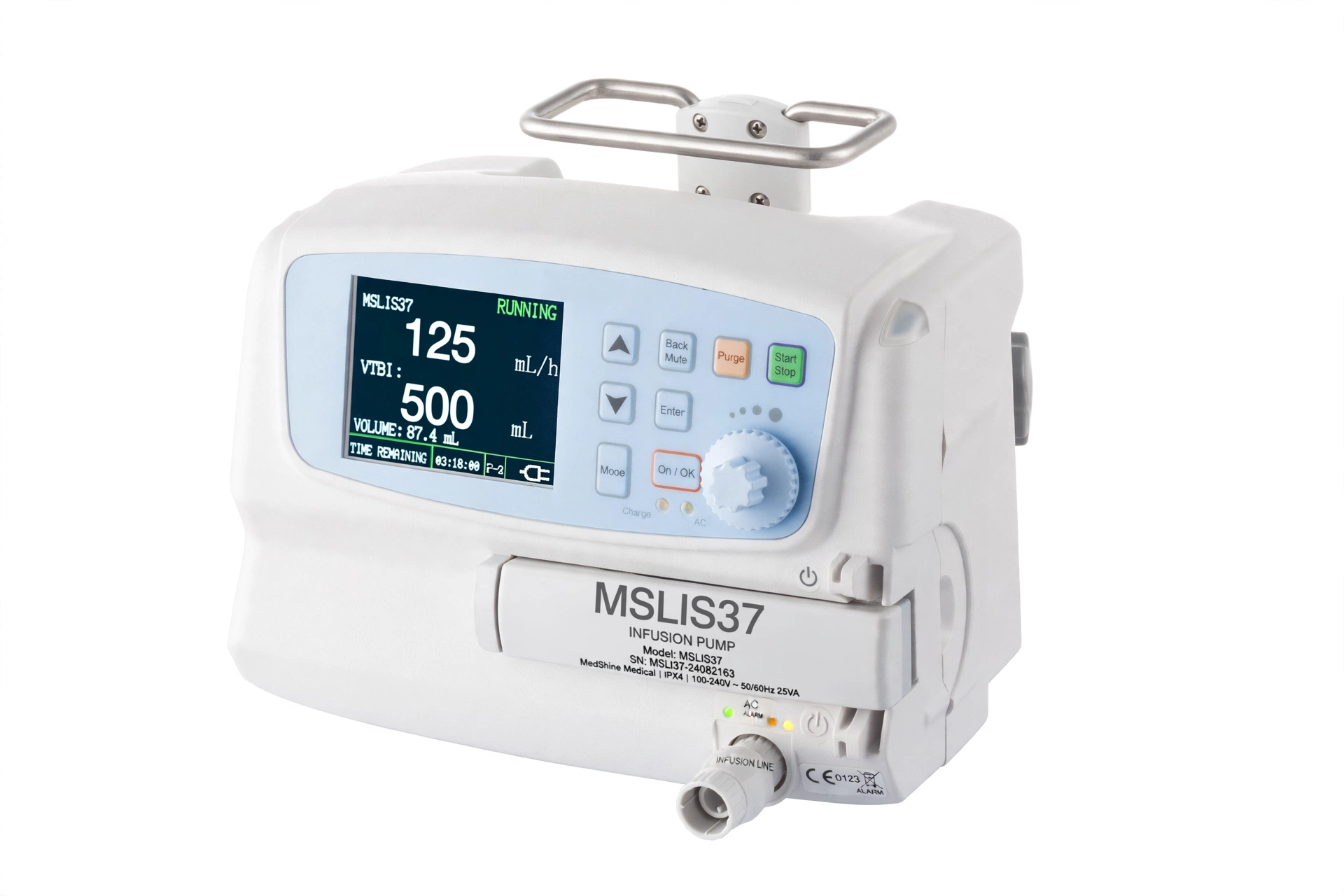
📢 **New Listing Alert!**
**Infusion Pump – MSLIS37**
👤 Posted by: Joy Agbara
📂 Type: Equipment
📍 Location: Distributed By Fulgent Digital Clinic, Lagos, Nigeria
💰 Price: $615
🏷️ Brand: 🏆 Engineered by Medsinglong (MSL) – A Global Leader in Medical Technology
🔗 **View this item on Health Hub:**
https://uhd.com.ng/nurse_mart/details.php?id=166 />
🛒 Click the link above to view details and make a purchase!
---
🏥 *Shared from Health Hub - Africa's #1 Healthcare Marketplace*
**Infusion Pump – MSLIS37**
👤 Posted by: Joy Agbara
📂 Type: Equipment
📍 Location: Distributed By Fulgent Digital Clinic, Lagos, Nigeria
💰 Price: $615
🏷️ Brand: 🏆 Engineered by Medsinglong (MSL) – A Global Leader in Medical Technology
🔗 **View this item on Health Hub:**
https://uhd.com.ng/nurse_mart/details.php?id=166
🛒 Click the link above to view details and make a purchase!
---
🏥 *Shared from Health Hub - Africa's #1 Healthcare Marketplace*
No comments yet. Be the first to comment!
Login to comment
J
Nurse
Aug 01, 2026 • 1:08 AM
💻 Tech
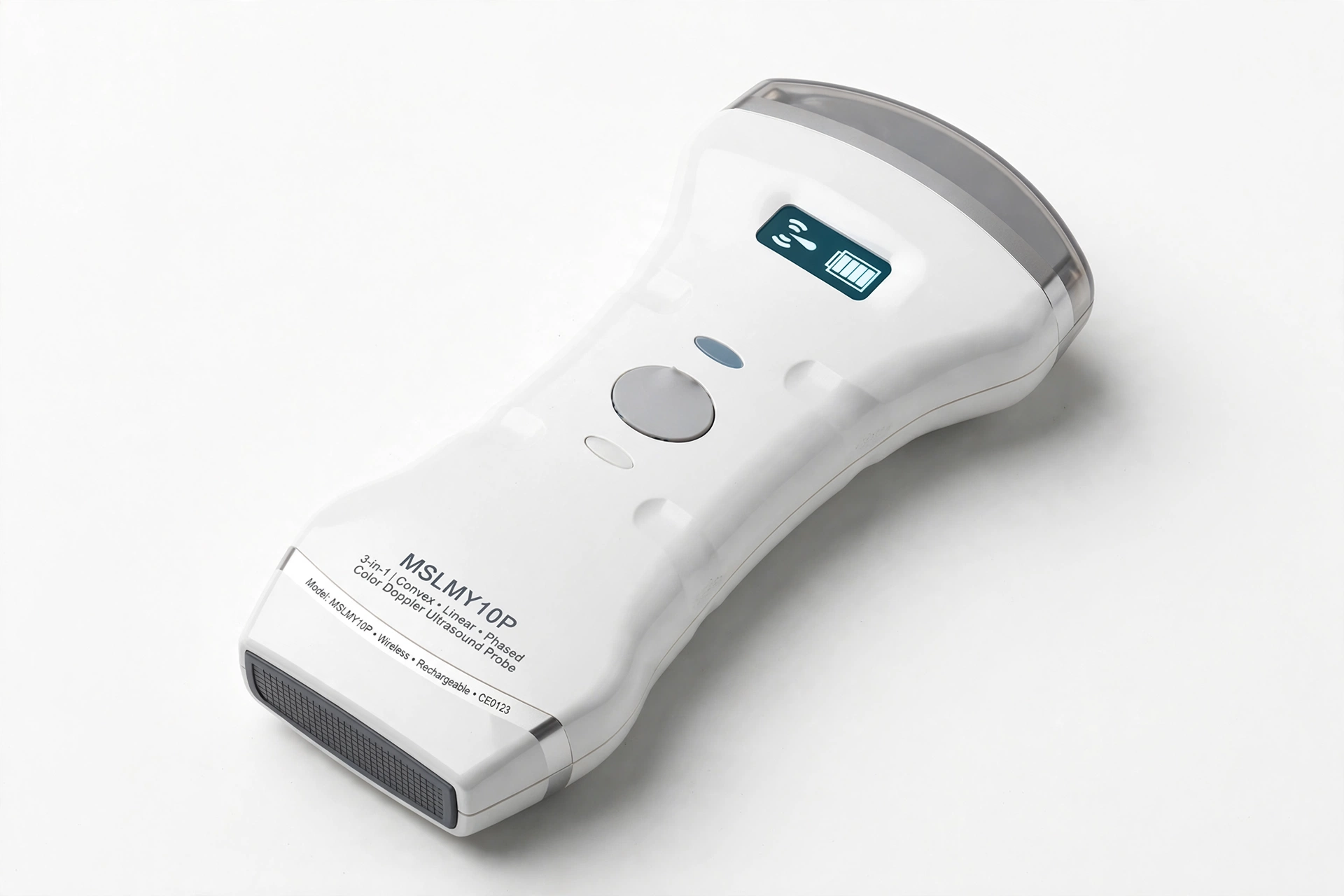
🏥 NEW ARRIVAL: Medsinglong 3-in-1 Wireless Portable Ultrasound Scanner
🏆 Engineered by Medsinglong (MSL) – A Global Leader in Medical Technology
📋 Overview
The Medsinglong 3-in-1 Wireless Portable Ultrasound Scanner represents the pinnacle of portable diagnostic technology. Engineered by Guangzhou Medsinglong Medical Equipment Co., Ltd. (MSL) – a company with over two decades of excellence in medical device manufacturing – this device delivers hospital-grade imaging in a compact, pocket-sized form factor.
Medsinglong is one of China's largest factory-based professional medical equipment suppliers, operating a 20,000 square meter industrial park with over 300 employees. The company has successfully exported medical devices to 204 countries worldwide and offers over 10,000 models of medical equipment.
🏅 About the Manufacturer
Company: Guangzhou Medsinglong Medical Equipment Co., Ltd. (MSL)
Founded: 2004
Employees: 200-500+
Production Facility: 20,000m² Industrial Park
Annual Revenue: $780,000+
On-Time Delivery: 100%
Reorder Rate: 35% (industry leading)
Global Reach: 204 countries
Product Range: 10,000+ models, 20,000+ SKUs
Certifications: ISO9001:2008, CE
Supplier Rating: ★★★★★ 4.9/5 (6,100+ reviews)
Key Insight: Medsinglong has achieved a 50% compound annual growth rate (CAGR) since 2013 and has established overseas warehouses and offices in 8 countries, including the US, Mexico, and the Philippines.
🔬 Key Specifications
Probe Type: Convex (3-5MHz), Linear (7-10MHz), Cardiac (2.5-5MHz) – 3-in-1 Multi-Probe
Display Modes: B, B/M, PW, Color, PDI
Array Elements: 256 Elements
Maximum Scanning Depth: 210mm
Dimensions: 160mm × 79mm × 27mm
Weight: <200g (Ultra-Lightweight)
Battery Life: 10 hours standby • 180 minutes continuous use
Waterproof Rating: IPX7 (Splash & Water Resistant)
Wireless Range: Wi-Fi connectivity >6 meters
🩺 Clinical Applications
This versatile ultrasound system is ideal for scanning:
✅ Gastrointestinal – Stomach, intestines, and digestive tract evaluation
✅ Cardiac – Heart structure and function assessment
✅ Gynecological – Obstetric and pelvic examinations
✅ Vascular – Blood vessel imaging and flow assessment
✅ Abdomen – Liver, kidney, spleen, and other abdominal organs
✅ Small Organs – Thyroid, breast, testicles, and superficial structures
✨ Why Choose This Device?
🌟 Wireless Freedom – Connect to any smartphone, tablet, or laptop via Wi-Fi
🌟 Ultra-Portable – Weighs less than 200g – fits in your pocket
🌟 Long Battery Life – 3 hours continuous scanning, 10 hours standby
🌟 Durable Design – IPX7 waterproof rating for easy cleaning and disinfection
🌟 Multi-Mode Imaging – B, M, PW, Color, and PDI modes for comprehensive diagnosis
🌟 Versatile Probes – Convex, Linear, and Cardiac probes in one device
🌟 Multi-Language Support – Available in 10+ languages including English, Spanish, German, French, etc.
🌟 Cross-Platform – Works with Android, iOS, and Windows
💰 Pricing
Unit Price: $1,600
Quantity Available: 1 Unit
Total Investment: $1,600
📦 What's Included
✅ Wireless Portable Ultrasound Scanner
✅ Convex / Linear / Cardiac Multi-Probe
✅ Wireless Charging System
✅ USB Charging Cable
✅ User Manual
✅ Protective Carry Case
✅ 2-Year Warranty
🚀 Perfect For:
🏥 Hospitals & Clinics – Point-of-care diagnostics
🚑 Emergency Responders – Field and ambulance use
🏠 Home Healthcare – Remote patient monitoring
🌍 Rural Healthcare – Portable diagnostic solution for underserved areas
👨⚕️ Private Practitioners – Expand your services without heavy investment
🇺🇳 International Healthcare – Trusted by customers in 204 countries
🌐 Why Medsinglong?
Medsinglong has earned its reputation as a trusted global supplier through:
✅ 100% On-Time Delivery Rate – Industry-leading reliability
✅ 35% Reorder Rate – Strong customer satisfaction and retention
✅ 4.9/5 Star Rating – Based on 6,100+ verified buyer reviews
✅ CE Certified – Meets rigorous European quality standards
✅ Global Presence – Operations in 8 countries, reaching 204 nations
✅ Premium Brand Partnerships – Supplies Mindray, Sonoscape and other top-tier brands
✅ Series A Funded – Backed by Chengwei Capital for continued innovation
📞 Order Now!
Price: $1,600
📩 DM to order or inquire
🏭 Manufactured by
MEDSINGLONG CO LTD
Floor 1st, 4th, 5th, No. 85th, 87th, 89th Baiyun Road, Shiqiao Street, Panyu District, Guangzhou City, China.
⚕️ Note: This device is intended for use by trained healthcare professionals. Please ensure proper training and certification before clinical use.
🏷️ Hashtags
#Ultrasound #PortableUltrasound #MedicalDevice #HealthcareTechnology #DiagnosticImaging #WirelessUltrasound #MedicalEquipment #HealthTech #PointOfCare #RuralHealthcare #MedicalInnovation #Doctor #Nurse #HealthcareProfessional #Medsinglong #MSL #MedicalManufacturer
🏆 Engineered by Medsinglong (MSL) – A Global Leader in Medical Technology
📋 Overview
The Medsinglong 3-in-1 Wireless Portable Ultrasound Scanner represents the pinnacle of portable diagnostic technology. Engineered by Guangzhou Medsinglong Medical Equipment Co., Ltd. (MSL) – a company with over two decades of excellence in medical device manufacturing – this device delivers hospital-grade imaging in a compact, pocket-sized form factor.
Medsinglong is one of China's largest factory-based professional medical equipment suppliers, operating a 20,000 square meter industrial park with over 300 employees. The company has successfully exported medical devices to 204 countries worldwide and offers over 10,000 models of medical equipment.
🏅 About the Manufacturer
Company: Guangzhou Medsinglong Medical Equipment Co., Ltd. (MSL)
Founded: 2004
Employees: 200-500+
Production Facility: 20,000m² Industrial Park
Annual Revenue: $780,000+
On-Time Delivery: 100%
Reorder Rate: 35% (industry leading)
Global Reach: 204 countries
Product Range: 10,000+ models, 20,000+ SKUs
Certifications: ISO9001:2008, CE
Supplier Rating: ★★★★★ 4.9/5 (6,100+ reviews)
Key Insight: Medsinglong has achieved a 50% compound annual growth rate (CAGR) since 2013 and has established overseas warehouses and offices in 8 countries, including the US, Mexico, and the Philippines.
🔬 Key Specifications
Probe Type: Convex (3-5MHz), Linear (7-10MHz), Cardiac (2.5-5MHz) – 3-in-1 Multi-Probe
Display Modes: B, B/M, PW, Color, PDI
Array Elements: 256 Elements
Maximum Scanning Depth: 210mm
Dimensions: 160mm × 79mm × 27mm
Weight: <200g (Ultra-Lightweight)
Battery Life: 10 hours standby • 180 minutes continuous use
Waterproof Rating: IPX7 (Splash & Water Resistant)
Wireless Range: Wi-Fi connectivity >6 meters
🩺 Clinical Applications
This versatile ultrasound system is ideal for scanning:
✅ Gastrointestinal – Stomach, intestines, and digestive tract evaluation
✅ Cardiac – Heart structure and function assessment
✅ Gynecological – Obstetric and pelvic examinations
✅ Vascular – Blood vessel imaging and flow assessment
✅ Abdomen – Liver, kidney, spleen, and other abdominal organs
✅ Small Organs – Thyroid, breast, testicles, and superficial structures
✨ Why Choose This Device?
🌟 Wireless Freedom – Connect to any smartphone, tablet, or laptop via Wi-Fi
🌟 Ultra-Portable – Weighs less than 200g – fits in your pocket
🌟 Long Battery Life – 3 hours continuous scanning, 10 hours standby
🌟 Durable Design – IPX7 waterproof rating for easy cleaning and disinfection
🌟 Multi-Mode Imaging – B, M, PW, Color, and PDI modes for comprehensive diagnosis
🌟 Versatile Probes – Convex, Linear, and Cardiac probes in one device
🌟 Multi-Language Support – Available in 10+ languages including English, Spanish, German, French, etc.
🌟 Cross-Platform – Works with Android, iOS, and Windows
💰 Pricing
Unit Price: $1,600
Quantity Available: 1 Unit
Total Investment: $1,600
📦 What's Included
✅ Wireless Portable Ultrasound Scanner
✅ Convex / Linear / Cardiac Multi-Probe
✅ Wireless Charging System
✅ USB Charging Cable
✅ User Manual
✅ Protective Carry Case
✅ 2-Year Warranty
🚀 Perfect For:
🏥 Hospitals & Clinics – Point-of-care diagnostics
🚑 Emergency Responders – Field and ambulance use
🏠 Home Healthcare – Remote patient monitoring
🌍 Rural Healthcare – Portable diagnostic solution for underserved areas
👨⚕️ Private Practitioners – Expand your services without heavy investment
🇺🇳 International Healthcare – Trusted by customers in 204 countries
🌐 Why Medsinglong?
Medsinglong has earned its reputation as a trusted global supplier through:
✅ 100% On-Time Delivery Rate – Industry-leading reliability
✅ 35% Reorder Rate – Strong customer satisfaction and retention
✅ 4.9/5 Star Rating – Based on 6,100+ verified buyer reviews
✅ CE Certified – Meets rigorous European quality standards
✅ Global Presence – Operations in 8 countries, reaching 204 nations
✅ Premium Brand Partnerships – Supplies Mindray, Sonoscape and other top-tier brands
✅ Series A Funded – Backed by Chengwei Capital for continued innovation
📞 Order Now!
Price: $1,600
📩 DM to order or inquire
🏭 Manufactured by
MEDSINGLONG CO LTD
Floor 1st, 4th, 5th, No. 85th, 87th, 89th Baiyun Road, Shiqiao Street, Panyu District, Guangzhou City, China.
⚕️ Note: This device is intended for use by trained healthcare professionals. Please ensure proper training and certification before clinical use.
🏷️ Hashtags
#Ultrasound #PortableUltrasound #MedicalDevice #HealthcareTechnology #DiagnosticImaging #WirelessUltrasound #MedicalEquipment #HealthTech #PointOfCare #RuralHealthcare #MedicalInnovation #Doctor #Nurse #HealthcareProfessional #Medsinglong #MSL #MedicalManufacturer
No comments yet. Be the first to comment!
Login to comment
J
Nurse
Jul 30, 2026 • 10:52 AM
📌 General
https://vm.tiktok.com/ZS4Ywj2qc/ This post is shared via TikTok Lite. Download TikTok Lite to enjoy more posts: https://www.tiktok.com/tiktoklite
No comments yet. Be the first to comment!
Login to comment
J
Nurse
Jul 30, 2026 • 1:55 AM
📌 General
https://vm.tiktok.com/ZS4FfPar8/ This post is shared via TikTok Lite. Download TikTok Lite to enjoy more posts: https://www.tiktok.com/tiktoklite
No comments yet. Be the first to comment!
Login to comment
J
Nurse
Jul 28, 2026 • 4:20 PM
📌 General

❤️ How to Avoid Heart Failure: A Guide for Your Heart Health
💔 Understanding Heart Failure
Heart failure is a serious condition that occurs when your heart muscle doesn't pump blood as well as it should. It affects millions of people worldwide and is a leading cause of hospitalization and death.
The good news is that heart failure is largely preventable. By making simple lifestyle changes and managing risk factors, you can significantly reduce your chances of developing this life-threatening condition.
🔑 Key Strategies to Prevent Heart Failure
Know Your Numbers
Monitor your blood pressure and keep it below 120 over 80 mmHg. High blood pressure is the number one risk factor for heart failure. Keep your cholesterol at healthy levels because high LDL or bad cholesterol can clog your arteries and lead to heart disease. Check your blood sugar regularly because diabetes significantly increases your risk of heart failure. Also maintain a healthy body mass index between 18.5 and 24.9 because excess weight puts strain on your heart.
Eat a Heart-Healthy Diet
Load up on fresh fruits and vegetables. Choose whole grains like oats, brown rice, and quinoa. Opt for lean proteins such as fish, chicken, beans, and lentils. Include healthy fats from avocado, olive oil, and nuts. Eat fatty fish rich in omega-3 like salmon, mackerel, and sardines.
At the same time, limit processed foods and sugary drinks. Cut back on excessive salt or sodium. Avoid saturated and trans fats. Reduce your red meat consumption and limit alcohol intake.
Stay Physically Active
Aim for one hundred fifty minutes of moderate exercise per week. That is just thirty minutes a day, five days a week. Activities like brisk walking, swimming, cycling, or dancing can make a huge difference. Incorporate strength training at least twice a week to build muscle and boost your metabolism. Remember that any movement is better than none, so start small and gradually increase your activity level.
Manage Stress
Chronic stress puts a heavy burden on your heart. Practice relaxation techniques like deep breathing, meditation, or yoga. Make time for hobbies and activities you enjoy. Connect with friends and family for emotional support. If you are feeling overwhelmed, do not hesitate to seek professional help.
Quit Smoking and Limit Alcohol
Smoking damages your blood vessels and dramatically increases your risk of heart failure. Quitting is the single best thing you can do for your heart health. Alcohol should be consumed in moderation, no more than one drink per day for women and two for men. Excessive alcohol can weaken your heart muscle over time.
Manage Chronic Conditions
If you have conditions like diabetes, high blood pressure, or high cholesterol, work closely with your healthcare provider to manage them effectively. Take medications as prescribed and attend regular check-ups.
🚨 Red Flags to Watch For
Seek immediate medical attention if you experience shortness of breath, especially when lying down or during activity. Watch for swelling in your feet, ankles, or legs. Take note of unusual fatigue or feeling weak. Pay attention to a rapid or irregular heartbeat. Be alert for a persistent cough or wheezing. Watch for sudden weight gain of more than two to three pounds in a day. Also look out for loss of appetite or nausea.
✅ Daily Heart Health Checklist
In the morning, take your medications as prescribed. Check your blood pressure. Eat a heart-healthy breakfast and drink a glass of water. Throughout the day, stay hydrated by drinking water instead of sugary drinks. Eat fruits and vegetables with every meal. Move your body by taking a walk during breaks. Manage stress with deep breathing. In the evening, avoid heavy salty meals. Limit screen time before bed. Get seven to eight hours of quality sleep and practice gratitude or relaxation techniques.
💡 Professional Tips
Heart failure is not inevitable. By taking control of your risk factors today, you can protect your heart for years to come. Small changes lead to big results.
💔 Understanding Heart Failure
Heart failure is a serious condition that occurs when your heart muscle doesn't pump blood as well as it should. It affects millions of people worldwide and is a leading cause of hospitalization and death.
The good news is that heart failure is largely preventable. By making simple lifestyle changes and managing risk factors, you can significantly reduce your chances of developing this life-threatening condition.
🔑 Key Strategies to Prevent Heart Failure
Know Your Numbers
Monitor your blood pressure and keep it below 120 over 80 mmHg. High blood pressure is the number one risk factor for heart failure. Keep your cholesterol at healthy levels because high LDL or bad cholesterol can clog your arteries and lead to heart disease. Check your blood sugar regularly because diabetes significantly increases your risk of heart failure. Also maintain a healthy body mass index between 18.5 and 24.9 because excess weight puts strain on your heart.
Eat a Heart-Healthy Diet
Load up on fresh fruits and vegetables. Choose whole grains like oats, brown rice, and quinoa. Opt for lean proteins such as fish, chicken, beans, and lentils. Include healthy fats from avocado, olive oil, and nuts. Eat fatty fish rich in omega-3 like salmon, mackerel, and sardines.
At the same time, limit processed foods and sugary drinks. Cut back on excessive salt or sodium. Avoid saturated and trans fats. Reduce your red meat consumption and limit alcohol intake.
Stay Physically Active
Aim for one hundred fifty minutes of moderate exercise per week. That is just thirty minutes a day, five days a week. Activities like brisk walking, swimming, cycling, or dancing can make a huge difference. Incorporate strength training at least twice a week to build muscle and boost your metabolism. Remember that any movement is better than none, so start small and gradually increase your activity level.
Manage Stress
Chronic stress puts a heavy burden on your heart. Practice relaxation techniques like deep breathing, meditation, or yoga. Make time for hobbies and activities you enjoy. Connect with friends and family for emotional support. If you are feeling overwhelmed, do not hesitate to seek professional help.
Quit Smoking and Limit Alcohol
Smoking damages your blood vessels and dramatically increases your risk of heart failure. Quitting is the single best thing you can do for your heart health. Alcohol should be consumed in moderation, no more than one drink per day for women and two for men. Excessive alcohol can weaken your heart muscle over time.
Manage Chronic Conditions
If you have conditions like diabetes, high blood pressure, or high cholesterol, work closely with your healthcare provider to manage them effectively. Take medications as prescribed and attend regular check-ups.
🚨 Red Flags to Watch For
Seek immediate medical attention if you experience shortness of breath, especially when lying down or during activity. Watch for swelling in your feet, ankles, or legs. Take note of unusual fatigue or feeling weak. Pay attention to a rapid or irregular heartbeat. Be alert for a persistent cough or wheezing. Watch for sudden weight gain of more than two to three pounds in a day. Also look out for loss of appetite or nausea.
✅ Daily Heart Health Checklist
In the morning, take your medications as prescribed. Check your blood pressure. Eat a heart-healthy breakfast and drink a glass of water. Throughout the day, stay hydrated by drinking water instead of sugary drinks. Eat fruits and vegetables with every meal. Move your body by taking a walk during breaks. Manage stress with deep breathing. In the evening, avoid heavy salty meals. Limit screen time before bed. Get seven to eight hours of quality sleep and practice gratitude or relaxation techniques.
💡 Professional Tips
Heart failure is not inevitable. By taking control of your risk factors today, you can protect your heart for years to come. Small changes lead to big results.
No comments yet. Be the first to comment!
Login to comment
M
Nurse
Jul 28, 2026 • 3:56 PM
📌 General

💡 The Man Who Failed a Thousand Times: The Thomas Edison Story
🔥 Have You Ever Felt Like Giving Up?
Have you ever felt discouraged just because you failed, maybe once or twice? Did your teacher call you stupid just because you couldn't answer a simple math problem? Got fired from your job? Felt like the world was against you?
Well, you are not alone. And if you think your situation is hopeless, let me introduce you to a man who faced far worse and still changed the world.
---
👦 The "Stupid" Boy Who Refused to Quit
Meet Thomas Alva Edison — the man who brought light to the world. But here's the shocking truth: Thomas Edison wasn't as intelligent as you thought he was. In fact, during his early days, his own teachers told him that he was "too dumb to learn anything" and that "there was no hope for him."
Imagine being a young child, sitting in a classroom, and hearing those words from the very people who were supposed to teach and encourage you. How would you feel? Devastated? Defeated? Ready to give up?
Edison didn't. He took those words and used them as fuel.
His formal education ended at the age of just 12. Yes, you read that right — the man who would later become one of the greatest inventors in history never graduated from high school. He was practically self-taught, learning through reading, experimenting, and observing the world around him.
---
💼 Fired, Rejected, and Broke
But the rejections didn't stop at school. Edison got fired from his first two jobs — and the reasons were humiliating. At one job, he accidentally leaked acid onto his boss's desk, destroying it. Can you imagine the embarrassment? The shame?
He was fired. Laughed at. Told he was useless.
At that point, many people would have given up. They would have accepted the label of "failure" and retreated into a life of mediocrity. But Edison? He just got back up and kept moving forward.
He was almost penniless for years. He slept in basements and train stations while working on his inventions. He had no money, no formal education, and no support from the "experts" who had already written him off.
But he had something far more valuable: determination.
---
💡 One Thousand Failures (And Counting)
Edison is famous for inventing the light bulb. But what many people don't realize is that he didn't succeed on his first, second, or even hundredth try. In fact, he failed more than a thousand times before he finally found the right filament that would make the bulb work.
Over a thousand failures.
Imagine that. Imagine working on something for years, trying thousands of different materials, and failing over and over again. Most people would quit after a few failures. After ten failures. After fifty.
But Edison? He had a different perspective. When a reporter asked him how it felt to fail a thousand times, he simply replied:
"I have not failed. I've just found 10,000 ways that won't work. Every wrong attempt discarded, is another step forward."
His attitude was remarkable. He didn't see his failures as defeats — he saw them as lessons. Each wrong attempt taught him something new, bringing him one step closer to success.
And eventually, after all those failures, he succeeded. He invented the practical light bulb, the phonograph, and the motion picture camera. He became one of the most prolific inventors in history, holding 1,093 patents in his name.
---
🌟 The Impact of His Persistence
Think about it: if Edison had given up after his teachers told him he was stupid, we might still be using candles today. If he had quit after getting fired from his first two jobs, the world would be a very different place.
His inventions didn't just change the world — they revolutionized it. The light bulb alone transformed how we live, work, and sleep. The phonograph brought music into our homes. The motion picture camera gave birth to the entire film industry.
And all of this came from a man who was told he was "too dumb to learn anything."
---
📚 Lessons for Healthcare Professionals
What can we, as healthcare professionals, learn from Thomas Edison?
Failure is Not Final
In healthcare, we face failures every day. A treatment doesn't work. A patient doesn't improve. We make mistakes. But just like Edison's failed experiments, each failure teaches us something valuable. Each mistake is a lesson that helps us grow and become better at what we do.
Criticism Doesn't Define You
Edison's teachers told him he was hopeless. You may have colleagues, supervisors, or even patients who criticize you. Don't let their words define your worth. Believe in yourself, keep learning, and keep improving.
Persistence Pays Off
Healthcare is challenging. There are long hours, difficult patients, and moments when you want to walk away. But remember Edison — if he could keep going after a thousand failures, you can keep going too.
Every "No" is a "Not Yet"
Every rejection, every failed application, every closed door is just another step on your journey. Keep moving forward, keep trying, and eventually, you will find your light bulb moment.
---
🗣️ What You Can Learn from Edison
Failure is feedback – A failed diagnosis or treatment is an opportunity to learn and improve
Criticism is not truth – Don't let negative feedback stop you from pursuing your goals
Persistence wins – Keep fighting for your patients, even when things get tough
Every attempt teaches – Every patient interaction, successful or not, teaches you something valuable
---
💬 Join the Discussion
Have you ever faced failure or criticism in your healthcare career? How did you overcome it? Share your story in the comments below!
"Many of life's failures are people who did not realize how close they were to success when they gave up." — Thomas A. Edison
Share this story with a colleague who needs a reminder that failure is not the end — it's just the beginning! 💡🔥
If you're struggling with burnout, imposter syndrome, or feeling discouraged in your healthcare career, remember that you are not alone. Connect with colleagues on Health Pulse, share your experiences, and find support in the community.
This story is brought to you by Health Pulse — where health professionals connect, share, and grow together. 💙
🔥 Have You Ever Felt Like Giving Up?
Have you ever felt discouraged just because you failed, maybe once or twice? Did your teacher call you stupid just because you couldn't answer a simple math problem? Got fired from your job? Felt like the world was against you?
Well, you are not alone. And if you think your situation is hopeless, let me introduce you to a man who faced far worse and still changed the world.
---
👦 The "Stupid" Boy Who Refused to Quit
Meet Thomas Alva Edison — the man who brought light to the world. But here's the shocking truth: Thomas Edison wasn't as intelligent as you thought he was. In fact, during his early days, his own teachers told him that he was "too dumb to learn anything" and that "there was no hope for him."
Imagine being a young child, sitting in a classroom, and hearing those words from the very people who were supposed to teach and encourage you. How would you feel? Devastated? Defeated? Ready to give up?
Edison didn't. He took those words and used them as fuel.
His formal education ended at the age of just 12. Yes, you read that right — the man who would later become one of the greatest inventors in history never graduated from high school. He was practically self-taught, learning through reading, experimenting, and observing the world around him.
---
💼 Fired, Rejected, and Broke
But the rejections didn't stop at school. Edison got fired from his first two jobs — and the reasons were humiliating. At one job, he accidentally leaked acid onto his boss's desk, destroying it. Can you imagine the embarrassment? The shame?
He was fired. Laughed at. Told he was useless.
At that point, many people would have given up. They would have accepted the label of "failure" and retreated into a life of mediocrity. But Edison? He just got back up and kept moving forward.
He was almost penniless for years. He slept in basements and train stations while working on his inventions. He had no money, no formal education, and no support from the "experts" who had already written him off.
But he had something far more valuable: determination.
---
💡 One Thousand Failures (And Counting)
Edison is famous for inventing the light bulb. But what many people don't realize is that he didn't succeed on his first, second, or even hundredth try. In fact, he failed more than a thousand times before he finally found the right filament that would make the bulb work.
Over a thousand failures.
Imagine that. Imagine working on something for years, trying thousands of different materials, and failing over and over again. Most people would quit after a few failures. After ten failures. After fifty.
But Edison? He had a different perspective. When a reporter asked him how it felt to fail a thousand times, he simply replied:
"I have not failed. I've just found 10,000 ways that won't work. Every wrong attempt discarded, is another step forward."
His attitude was remarkable. He didn't see his failures as defeats — he saw them as lessons. Each wrong attempt taught him something new, bringing him one step closer to success.
And eventually, after all those failures, he succeeded. He invented the practical light bulb, the phonograph, and the motion picture camera. He became one of the most prolific inventors in history, holding 1,093 patents in his name.
---
🌟 The Impact of His Persistence
Think about it: if Edison had given up after his teachers told him he was stupid, we might still be using candles today. If he had quit after getting fired from his first two jobs, the world would be a very different place.
His inventions didn't just change the world — they revolutionized it. The light bulb alone transformed how we live, work, and sleep. The phonograph brought music into our homes. The motion picture camera gave birth to the entire film industry.
And all of this came from a man who was told he was "too dumb to learn anything."
---
📚 Lessons for Healthcare Professionals
What can we, as healthcare professionals, learn from Thomas Edison?
Failure is Not Final
In healthcare, we face failures every day. A treatment doesn't work. A patient doesn't improve. We make mistakes. But just like Edison's failed experiments, each failure teaches us something valuable. Each mistake is a lesson that helps us grow and become better at what we do.
Criticism Doesn't Define You
Edison's teachers told him he was hopeless. You may have colleagues, supervisors, or even patients who criticize you. Don't let their words define your worth. Believe in yourself, keep learning, and keep improving.
Persistence Pays Off
Healthcare is challenging. There are long hours, difficult patients, and moments when you want to walk away. But remember Edison — if he could keep going after a thousand failures, you can keep going too.
Every "No" is a "Not Yet"
Every rejection, every failed application, every closed door is just another step on your journey. Keep moving forward, keep trying, and eventually, you will find your light bulb moment.
---
🗣️ What You Can Learn from Edison
Failure is feedback – A failed diagnosis or treatment is an opportunity to learn and improve
Criticism is not truth – Don't let negative feedback stop you from pursuing your goals
Persistence wins – Keep fighting for your patients, even when things get tough
Every attempt teaches – Every patient interaction, successful or not, teaches you something valuable
---
💬 Join the Discussion
Have you ever faced failure or criticism in your healthcare career? How did you overcome it? Share your story in the comments below!
"Many of life's failures are people who did not realize how close they were to success when they gave up." — Thomas A. Edison
Share this story with a colleague who needs a reminder that failure is not the end — it's just the beginning! 💡🔥
If you're struggling with burnout, imposter syndrome, or feeling discouraged in your healthcare career, remember that you are not alone. Connect with colleagues on Health Pulse, share your experiences, and find support in the community.
This story is brought to you by Health Pulse — where health professionals connect, share, and grow together. 💙
No comments yet. Be the first to comment!
Login to comment
J
Nurse
Jul 27, 2026 • 10:48 PM
📌 General
📢 **New Listing Alert!**
**🏥 Join Health Pulse - Africa's Largest Healthcare Professional Community**
👤 Posted by: Kelechi Neagbara
📂 Type: Service
📍 Location: Worldwide
🏷️ Brand: Health Pulse
🔗 **View this item on Health Hub:**
https://uhd.com.ng/nurse_mart/details.php?id=153 />
🛒 Click the link above to view details and make a purchase!
---
🏥 *Shared from Health Hub - Africa's #1 Healthcare Marketplace*
**🏥 Join Health Pulse - Africa's Largest Healthcare Professional Community**
👤 Posted by: Kelechi Neagbara
📂 Type: Service
📍 Location: Worldwide
🏷️ Brand: Health Pulse
🔗 **View this item on Health Hub:**
https://uhd.com.ng/nurse_mart/details.php?id=153
🛒 Click the link above to view details and make a purchase!
---
🏥 *Shared from Health Hub - Africa's #1 Healthcare Marketplace*
No comments yet. Be the first to comment!
Login to comment
J
Nurse
Jul 27, 2026 • 12:33 AM
📌 General

Here's your humorous Health Pulse story converted into a full, engaging post:
---
🏥 "Oops, Wrong Gender": A Lesson in Communication and Recovery
---
Posted by: Dr. Sarah Okafor
Category: Clinical / Humor
Date: July 2026
Read Time: 4 min
---
💬 The Story
It was a busy Tuesday afternoon in the emergency department. The waiting room was overflowing. The nurses were running on adrenaline and cold coffee. And somewhere in the chaos, a young woman arrived, clearly uncomfortable and anxious.
The team moved quickly: triage, vitals, brief history, initial orders. Somewhere between the nurse's hurried notes and the typed chart, a key detail went sideways.
A nearby physician reviewed the case: chest pain, shortness of breath, no prior cardiac history… and, thanks to a documentation error, the patient's gender listed as male.
Armed with confidence and a chart that had betrayed him, the doctor burst into the room with his best reassuring bedside manner.
"Hello, sir," he announced, "I'm Dr. Thompson. I'll be taking care of you today."
The patient, a young woman, raised one eyebrow slowly. The kind of eyebrow raise that could stop a speeding ambulance.
"Um," she said, with equal parts confusion and amusement, "I'm not a sir. I'm a madam."
Silence.
Then—recognition.
Then—laughter.
The doctor froze for a split second, his brain desperately searching for an exit strategy. Finding none, he did the only thing that made sense. He laughed at himself.
"Note to self," he quipped, "read the whole chart next time. Not just the chest pain part."
The patient laughed harder. The tension that had filled the room evaporated almost instantly. What could have been an awkward, uncomfortable moment turned into a shared joke between doctor and patient.
"You know what," the patient said, still chuckling, "I've been called worse. But I think this is the first time I've been misdiagnosed as a man."
The doctor laughed again. "Well, I can promise you one thing—I will never forget to check the gender box again."
And true to his word, he never did.
---
🩺 What This Teaches Us
This simple mix‑up underscores several important lessons about healthcare communication:
1. Accuracy is Non‑Negotiable
Gender, identity, and pronouns are fundamental aspects of patient respect and safety. A simple box-check can make or break a patient's trust. In this case, the error was harmless—but it could have been much worse. Always double-check your documentation.
Takeaway: Read the whole chart. Every time.
2. How You Recover Matters
The physician owned the error immediately. He didn't make excuses. He didn't blame the nurse. He laughed with—not at—the patient and reset the tone. Patients don't expect perfection; they expect honesty and humility.
Takeaway: Own your mistakes. Apologize sincerely. Move on.
3. Humor as a Pressure Valve
The shared laugh turned a potentially awkward encounter into a bonding moment. Studies show that humor in healthcare can reduce patient anxiety, improve satisfaction, and even strengthen the doctor-patient relationship.
Takeaway: When appropriate, a little laughter is the best medicine.
4. For Residents and Students
Mistakes will happen. You will misread a chart. You will mispronounce a name. You will walk into the wrong room. Your skill in recovering gracefully—often with gentle, self‑deprecating humor—may determine whether a patient remembers the error or the empathy.
Takeaway: Be human. Be honest. Be humble.
---
💬 Join the Discussion
Have you ever had a moment like this in your clinical practice? Share your story in the comments below! 👇
---
🏷️ Tags
#HealthcareHumor #ClinicalStories #DoctorLife #PatientCare #Communication #EmpathyInHealthcare #HealthPulse #Residency
"Sometimes the best medicine is a good laugh—especially when it's at your own expense." 😁😁😁
---
🏥 "Oops, Wrong Gender": A Lesson in Communication and Recovery
---
Posted by: Dr. Sarah Okafor
Category: Clinical / Humor
Date: July 2026
Read Time: 4 min
---
💬 The Story
It was a busy Tuesday afternoon in the emergency department. The waiting room was overflowing. The nurses were running on adrenaline and cold coffee. And somewhere in the chaos, a young woman arrived, clearly uncomfortable and anxious.
The team moved quickly: triage, vitals, brief history, initial orders. Somewhere between the nurse's hurried notes and the typed chart, a key detail went sideways.
A nearby physician reviewed the case: chest pain, shortness of breath, no prior cardiac history… and, thanks to a documentation error, the patient's gender listed as male.
Armed with confidence and a chart that had betrayed him, the doctor burst into the room with his best reassuring bedside manner.
"Hello, sir," he announced, "I'm Dr. Thompson. I'll be taking care of you today."
The patient, a young woman, raised one eyebrow slowly. The kind of eyebrow raise that could stop a speeding ambulance.
"Um," she said, with equal parts confusion and amusement, "I'm not a sir. I'm a madam."
Silence.
Then—recognition.
Then—laughter.
The doctor froze for a split second, his brain desperately searching for an exit strategy. Finding none, he did the only thing that made sense. He laughed at himself.
"Note to self," he quipped, "read the whole chart next time. Not just the chest pain part."
The patient laughed harder. The tension that had filled the room evaporated almost instantly. What could have been an awkward, uncomfortable moment turned into a shared joke between doctor and patient.
"You know what," the patient said, still chuckling, "I've been called worse. But I think this is the first time I've been misdiagnosed as a man."
The doctor laughed again. "Well, I can promise you one thing—I will never forget to check the gender box again."
And true to his word, he never did.
---
🩺 What This Teaches Us
This simple mix‑up underscores several important lessons about healthcare communication:
1. Accuracy is Non‑Negotiable
Gender, identity, and pronouns are fundamental aspects of patient respect and safety. A simple box-check can make or break a patient's trust. In this case, the error was harmless—but it could have been much worse. Always double-check your documentation.
Takeaway: Read the whole chart. Every time.
2. How You Recover Matters
The physician owned the error immediately. He didn't make excuses. He didn't blame the nurse. He laughed with—not at—the patient and reset the tone. Patients don't expect perfection; they expect honesty and humility.
Takeaway: Own your mistakes. Apologize sincerely. Move on.
3. Humor as a Pressure Valve
The shared laugh turned a potentially awkward encounter into a bonding moment. Studies show that humor in healthcare can reduce patient anxiety, improve satisfaction, and even strengthen the doctor-patient relationship.
Takeaway: When appropriate, a little laughter is the best medicine.
4. For Residents and Students
Mistakes will happen. You will misread a chart. You will mispronounce a name. You will walk into the wrong room. Your skill in recovering gracefully—often with gentle, self‑deprecating humor—may determine whether a patient remembers the error or the empathy.
Takeaway: Be human. Be honest. Be humble.
---
💬 Join the Discussion
Have you ever had a moment like this in your clinical practice? Share your story in the comments below! 👇
---
🏷️ Tags
#HealthcareHumor #ClinicalStories #DoctorLife #PatientCare #Communication #EmpathyInHealthcare #HealthPulse #Residency
"Sometimes the best medicine is a good laugh—especially when it's at your own expense." 😁😁😁
No comments yet. Be the first to comment!
Login to comment
J
Nurse
Jul 25, 2026 • 6:57 AM
📌 General
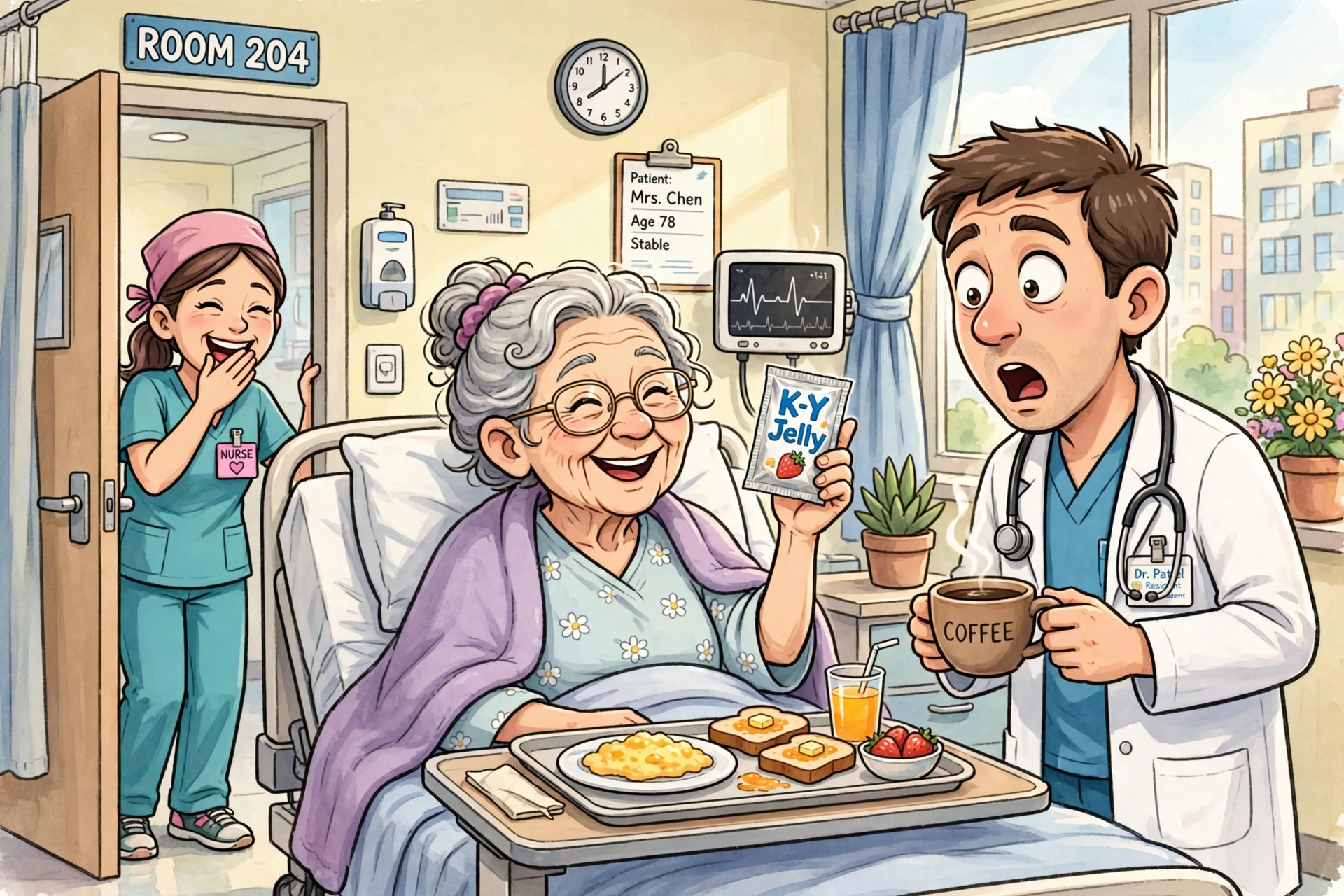
The "Kentucky Jelly" Breakfast
A doctor was doing morning rounds at the hospital, coffee in hand, feeling relatively optimistic about the day ahead. He walked into Room 204 with a cheerful smile.
"So, how's your breakfast this morning?" he asked his elderly female patient.
The patient beamed. "It's very good, Doctor. The eggs were a little runny, but I've had worse. The only problem is the Kentucky Jelly. I can't seem to get used to the taste."
The doctor paused mid-step. "Kentucky Jelly?"
"Yes, the little packet they gave me with my toast. It's the same color as my Kentucky Jelly at home, but the taste is... different. Very different."
The doctor raised an eyebrow, his curiosity piqued. "Could I see the packet?"
The patient proudly produced a small foil packet from her breakfast tray. She held it up like a prized possession.
The label read: "K-Y Jelly."
The doctor blinked. Then blinked again. His brain took a moment to process what he was seeing. He stared at the packet, then at the patient, then back at the packet.
"Ma'am," he said slowly, carefully choosing his words, "that is not Kentucky Jelly."
The patient looked confused. "It's not? But it says K-Y right there. Kentucky, right?"
The doctor took a deep breath. "No, ma'am. That is... not for toast. It's a personal lubricant."
The patient's face went through a remarkable journey. First confusion, then realization, then utter horror, and finally, a deep shade of crimson red.
"Well, no wonder it tasted funny!" she exclaimed, slapping her forehead. "I thought it was some kind of regional jam! I've been putting it on my toast for three days now!"
The doctor's composure cracked. He turned away, shoulders shaking with suppressed laughter. His nurse, who had been standing by the door with a straight face, suddenly developed a violent coughing fit.
"Three days?" the doctor managed to choke out.
"Three days," the patient confirmed miserably. "I even asked the nurse for extra packets. I was going to take some home for my grandson. He loves trying new jams."
The doctor finally composed himself enough to explain the situation gently. The patient laughed so hard she nearly fell out of her bed. She made the doctor promise to call her grandson immediately to warn him not to eat the "jam" she was planning to bring home.
The doctor wisely decided to leave the room before he completely lost all professionalism. His nurse followed him out, and they both collapsed against the wall, wheezing with laughter.
Note to self: Always label packets clearly. And maybe don't hand out K-Y Jelly with breakfast.
A doctor was doing morning rounds at the hospital, coffee in hand, feeling relatively optimistic about the day ahead. He walked into Room 204 with a cheerful smile.
"So, how's your breakfast this morning?" he asked his elderly female patient.
The patient beamed. "It's very good, Doctor. The eggs were a little runny, but I've had worse. The only problem is the Kentucky Jelly. I can't seem to get used to the taste."
The doctor paused mid-step. "Kentucky Jelly?"
"Yes, the little packet they gave me with my toast. It's the same color as my Kentucky Jelly at home, but the taste is... different. Very different."
The doctor raised an eyebrow, his curiosity piqued. "Could I see the packet?"
The patient proudly produced a small foil packet from her breakfast tray. She held it up like a prized possession.
The label read: "K-Y Jelly."
The doctor blinked. Then blinked again. His brain took a moment to process what he was seeing. He stared at the packet, then at the patient, then back at the packet.
"Ma'am," he said slowly, carefully choosing his words, "that is not Kentucky Jelly."
The patient looked confused. "It's not? But it says K-Y right there. Kentucky, right?"
The doctor took a deep breath. "No, ma'am. That is... not for toast. It's a personal lubricant."
The patient's face went through a remarkable journey. First confusion, then realization, then utter horror, and finally, a deep shade of crimson red.
"Well, no wonder it tasted funny!" she exclaimed, slapping her forehead. "I thought it was some kind of regional jam! I've been putting it on my toast for three days now!"
The doctor's composure cracked. He turned away, shoulders shaking with suppressed laughter. His nurse, who had been standing by the door with a straight face, suddenly developed a violent coughing fit.
"Three days?" the doctor managed to choke out.
"Three days," the patient confirmed miserably. "I even asked the nurse for extra packets. I was going to take some home for my grandson. He loves trying new jams."
The doctor finally composed himself enough to explain the situation gently. The patient laughed so hard she nearly fell out of her bed. She made the doctor promise to call her grandson immediately to warn him not to eat the "jam" she was planning to bring home.
The doctor wisely decided to leave the room before he completely lost all professionalism. His nurse followed him out, and they both collapsed against the wall, wheezing with laughter.
Note to self: Always label packets clearly. And maybe don't hand out K-Y Jelly with breakfast.
No comments yet. Be the first to comment!
Login to comment
J
Nurse
Jul 21, 2026 • 7:06 AM
🧘 Wellness

🍃 ATUNRASE ENIODUNMON – Your Natural Antibiotic Body Flusher
---
Posted by: God's Will Organic Products
Category: Wellness / Herbal Health
Date: July 2026
---
Are you struggling with persistent infections that just won't go away?
God's Will Organic Products presents ATUNRASE ENIODUNMON – a powerful organic body flusher designed to cleanse and flush infections naturally.
---
🌿 What It Treats:
· 🫁 Lungs Infection – Clear your airways and breathe freely
· 🌬️ Bronchitis – Soothe inflamed bronchial tubes
· 🤧 Stubborn Cough – Stop that cough that won't let you rest
· 🚽 Toilet Infections – Eliminate discomfort naturally
· 🤒 Catarrh – Clear excess mucus and congestion
· 🤢 Stomach Upset – Calm digestive discomfort
· ...and other body infections
---
💚 Why Choose ATUNRASE ENIODUNMON?
· 100% Natural Organic Formula
· Flushes toxins from your system
· Supports respiratory and digestive health
· Developed by Dr. Atunrase
· Trusted by satisfied users
---
💬 Our Story
At God's Will Organic Products, we believe in the power of nature. Our remedies are crafted from traditional knowledge and backed by a commitment to quality. We bring you natural solutions that work with your body, not against it.
---
📍 Get Yours Today!
Visit us at:
Address:
Ileja, Degun Road,
Ijebu Ode, Ogun State
Call or WhatsApp:
📞 09036336795
📞 09073154542
---
🗣️ Share Your Experience
Have you used ATUNRASE ENIODUNMON? Share your story in the comments below! Your experience could help someone else on their health journey.
---
🏷️ Tags
#Atunrase #Eniodunmon #HerbalMedicine #OrganicHealth #BodyFlusher #NaturalRemedy #LungsInfection #Bronchitis #StubbornCough #GodsWillOrganicProducts #WellnessJourney #HealthPulse #NigeriaHerbs #IjebuOde
---
Posted by: God's Will Organic Products
Category: Wellness / Herbal Health
Date: July 2026
---
Are you struggling with persistent infections that just won't go away?
God's Will Organic Products presents ATUNRASE ENIODUNMON – a powerful organic body flusher designed to cleanse and flush infections naturally.
---
🌿 What It Treats:
· 🫁 Lungs Infection – Clear your airways and breathe freely
· 🌬️ Bronchitis – Soothe inflamed bronchial tubes
· 🤧 Stubborn Cough – Stop that cough that won't let you rest
· 🚽 Toilet Infections – Eliminate discomfort naturally
· 🤒 Catarrh – Clear excess mucus and congestion
· 🤢 Stomach Upset – Calm digestive discomfort
· ...and other body infections
---
💚 Why Choose ATUNRASE ENIODUNMON?
· 100% Natural Organic Formula
· Flushes toxins from your system
· Supports respiratory and digestive health
· Developed by Dr. Atunrase
· Trusted by satisfied users
---
💬 Our Story
At God's Will Organic Products, we believe in the power of nature. Our remedies are crafted from traditional knowledge and backed by a commitment to quality. We bring you natural solutions that work with your body, not against it.
---
📍 Get Yours Today!
Visit us at:
Address:
Ileja, Degun Road,
Ijebu Ode, Ogun State
Call or WhatsApp:
📞 09036336795
📞 09073154542
---
🗣️ Share Your Experience
Have you used ATUNRASE ENIODUNMON? Share your story in the comments below! Your experience could help someone else on their health journey.
---
🏷️ Tags
#Atunrase #Eniodunmon #HerbalMedicine #OrganicHealth #BodyFlusher #NaturalRemedy #LungsInfection #Bronchitis #StubbornCough #GodsWillOrganicProducts #WellnessJourney #HealthPulse #NigeriaHerbs #IjebuOde
No comments yet. Be the first to comment!
Login to comment
B
Hp
Jul 18, 2026 • 7:15 AM
📌 General
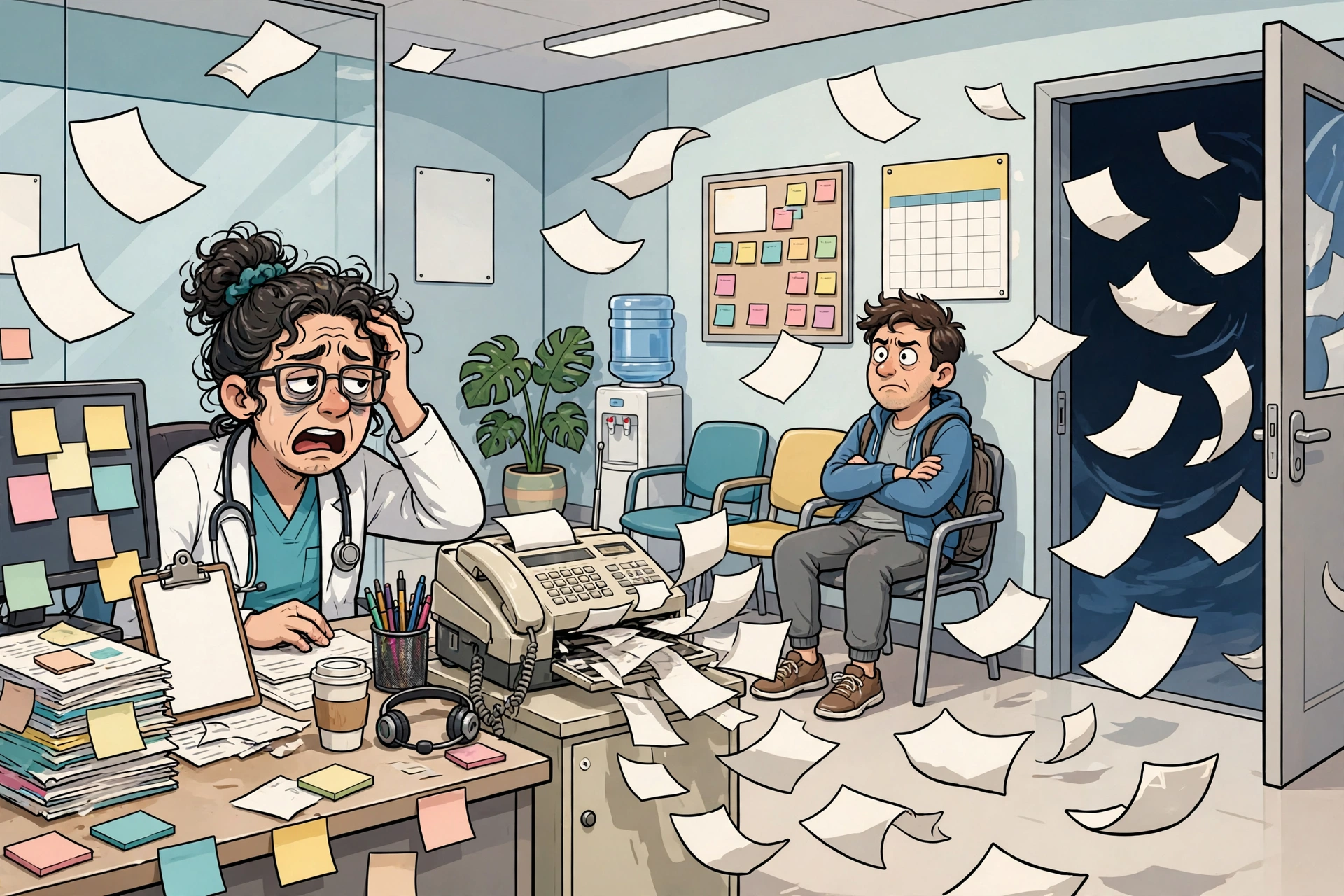
Referral mistakes are no joke… but we can still laugh
Related to number 5, patient referrals continue to be one of the most important — and most chaotic — parts of the healthcare workflow. They are the glue that holds patient care together, except when that glue is old, crusty, and somehow all over your hands. Many physicians and staff members are still making referral mistakes without even realizing it. See [5 physician referral mistakes you do not know you're making].
And if you want to go deeper, there are also some shocking referral statistics about specialist referrals that will make you want to lie down in the fetal position and question every career choice you've ever made. Spoiler alert: the numbers are not pretty.
So, to lighten the mood…
You know what should not be funny in 2026? Still faxing referrals into the void like we're living in 1995, calling three times to confirm they were received (they weren't), leaving voicemails that nobody checks, sending follow-up emails that get buried under 847 unread messages, and then finding out the patient was never scheduled and has now been waiting three weeks — and is currently sitting in your lobby giving you the look. You know the look. The one that says, "I've been here since breakfast and I'm starting to forget what my own house looks like."
You know what's even funnier? Calling the specialist's office to confirm, getting put on hold for 15 minutes listening to elevator music that sounds like a dying robot, finally reaching a human being who tells you they "never got it," so you resend it, call back again, and they say, "Oh wait, we did get it. It's just... somewhere." Somewhere. In 2026, with all our technology, your referral is somewhere. Probably in a pile. Next to a half-eaten sandwich. Under a stack of papers from 2019.
You know what is a little funny? That practices can now send and receive referrals for free with ReferralMD Practice, and some teams are still doing it the hard way — like choosing to walk uphill both ways in the snow when there's a perfectly good elevator right there. Like using a flip phone in the age of smartphones. Like handwriting a letter when email exists. It's 2026. We have self-driving cars and AI that can write poetry, but we're still out here praying to the fax machine gods.
ReferralMD Practice helps medical practices manage inbound and outbound referrals, automate referral alerts so you actually know when something arrives, track referral status so you're not left guessing, coordinate care across multiple providers, and keep referral sources organized — without subscriptions or contracts. No hidden fees. No surprise bills. Just a system that actually works so you can stop playing detective with your own paperwork.
It is built for primary care, specialty care, therapy, home care, and other practices that need a better way to manage referrals without adding more administrative chaos. Because let's be honest — your plate is already full. Overflowing, actually. There's no room for one more thing.
Because the only thing that should fall through the cracks is the punchline — not the patient.
Related to number 5, patient referrals continue to be one of the most important — and most chaotic — parts of the healthcare workflow. They are the glue that holds patient care together, except when that glue is old, crusty, and somehow all over your hands. Many physicians and staff members are still making referral mistakes without even realizing it. See [5 physician referral mistakes you do not know you're making].
And if you want to go deeper, there are also some shocking referral statistics about specialist referrals that will make you want to lie down in the fetal position and question every career choice you've ever made. Spoiler alert: the numbers are not pretty.
So, to lighten the mood…
You know what should not be funny in 2026? Still faxing referrals into the void like we're living in 1995, calling three times to confirm they were received (they weren't), leaving voicemails that nobody checks, sending follow-up emails that get buried under 847 unread messages, and then finding out the patient was never scheduled and has now been waiting three weeks — and is currently sitting in your lobby giving you the look. You know the look. The one that says, "I've been here since breakfast and I'm starting to forget what my own house looks like."
You know what's even funnier? Calling the specialist's office to confirm, getting put on hold for 15 minutes listening to elevator music that sounds like a dying robot, finally reaching a human being who tells you they "never got it," so you resend it, call back again, and they say, "Oh wait, we did get it. It's just... somewhere." Somewhere. In 2026, with all our technology, your referral is somewhere. Probably in a pile. Next to a half-eaten sandwich. Under a stack of papers from 2019.
You know what is a little funny? That practices can now send and receive referrals for free with ReferralMD Practice, and some teams are still doing it the hard way — like choosing to walk uphill both ways in the snow when there's a perfectly good elevator right there. Like using a flip phone in the age of smartphones. Like handwriting a letter when email exists. It's 2026. We have self-driving cars and AI that can write poetry, but we're still out here praying to the fax machine gods.
ReferralMD Practice helps medical practices manage inbound and outbound referrals, automate referral alerts so you actually know when something arrives, track referral status so you're not left guessing, coordinate care across multiple providers, and keep referral sources organized — without subscriptions or contracts. No hidden fees. No surprise bills. Just a system that actually works so you can stop playing detective with your own paperwork.
It is built for primary care, specialty care, therapy, home care, and other practices that need a better way to manage referrals without adding more administrative chaos. Because let's be honest — your plate is already full. Overflowing, actually. There's no room for one more thing.
Because the only thing that should fall through the cracks is the punchline — not the patient.
No comments yet. Be the first to comment!
Login to comment
J
Nurse
Jul 17, 2026 • 6:52 AM
📌 General
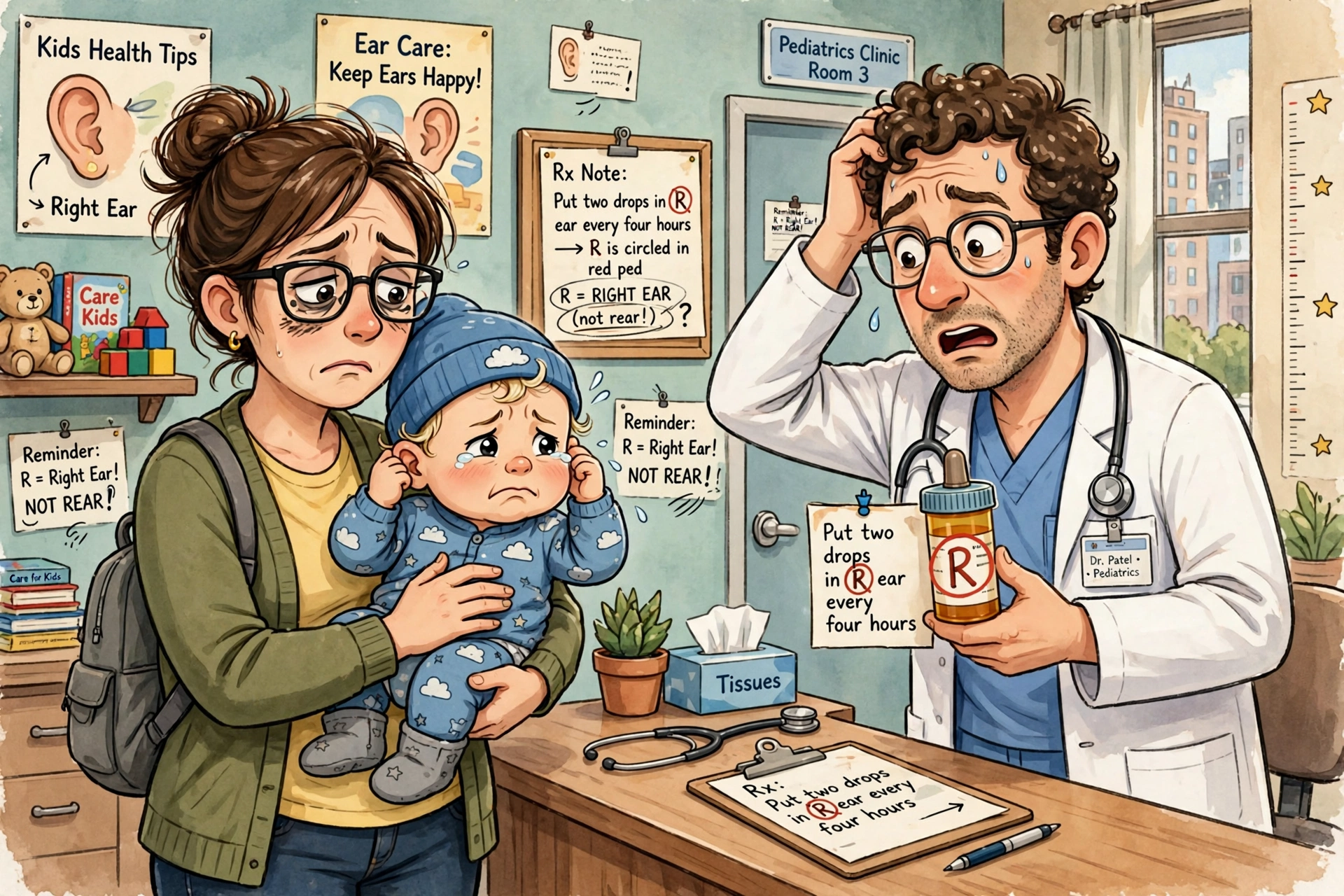
Here's the same treatment for that one:
---
Handwriting: Still Undefeated (and Apparently Out for Blood)
Thankfully, this story didn't end in a tiny coffin, but it does prove that doctors' handwriting isn't just a meme—it's a public health hazard.
A woman in Arkansas brought her baby in with a classic case of the scream-and-clutch-the-ear special. The doctor took one look and declared, "Ear infection. Easy fix." He scribbled out a prescription for ear drops with all the legibility of a caffeinated chicken.
In the directions, he wrote: “Put two drops in right ear every four hours.” Being a medical professional, he abbreviated "right" as a very official-looking "R" with a nice, confident circle around it. Because nothing says "put this in the ear" like a symbol that also means "rated R for rear end."
Several days pass. The woman returns, baby in tow, looking exhausted. The doctor asks how things are going.
"Well," she says, "the ear still seems buggy. But on the bright side, his little booty is now the most moisturized butt in all of Arkansas. It's practically gleaming."
The doctor blinked. He picked up the prescription bottle. There, in neat pharmacist text, were the typed instructions:
“Put two drops in R ear every four hours.”
The doctor stared. The mom stared. The baby gurgled, blissfully unaware that he'd been receiving gourmet ear-oil enemas for nearly a week.
Moral of the story: If your doctor's writing looks like ancient runes, just ask. Your baby's behind will thank you.
— From Cafe Mom
---
Handwriting: Still Undefeated (and Apparently Out for Blood)
Thankfully, this story didn't end in a tiny coffin, but it does prove that doctors' handwriting isn't just a meme—it's a public health hazard.
A woman in Arkansas brought her baby in with a classic case of the scream-and-clutch-the-ear special. The doctor took one look and declared, "Ear infection. Easy fix." He scribbled out a prescription for ear drops with all the legibility of a caffeinated chicken.
In the directions, he wrote: “Put two drops in right ear every four hours.” Being a medical professional, he abbreviated "right" as a very official-looking "R" with a nice, confident circle around it. Because nothing says "put this in the ear" like a symbol that also means "rated R for rear end."
Several days pass. The woman returns, baby in tow, looking exhausted. The doctor asks how things are going.
"Well," she says, "the ear still seems buggy. But on the bright side, his little booty is now the most moisturized butt in all of Arkansas. It's practically gleaming."
The doctor blinked. He picked up the prescription bottle. There, in neat pharmacist text, were the typed instructions:
“Put two drops in R ear every four hours.”
The doctor stared. The mom stared. The baby gurgled, blissfully unaware that he'd been receiving gourmet ear-oil enemas for nearly a week.
Moral of the story: If your doctor's writing looks like ancient runes, just ask. Your baby's behind will thank you.
— From Cafe Mom
No comments yet. Be the first to comment!
Login to comment
F
Vendor
Jul 17, 2026 • 6:23 AM
📌 General
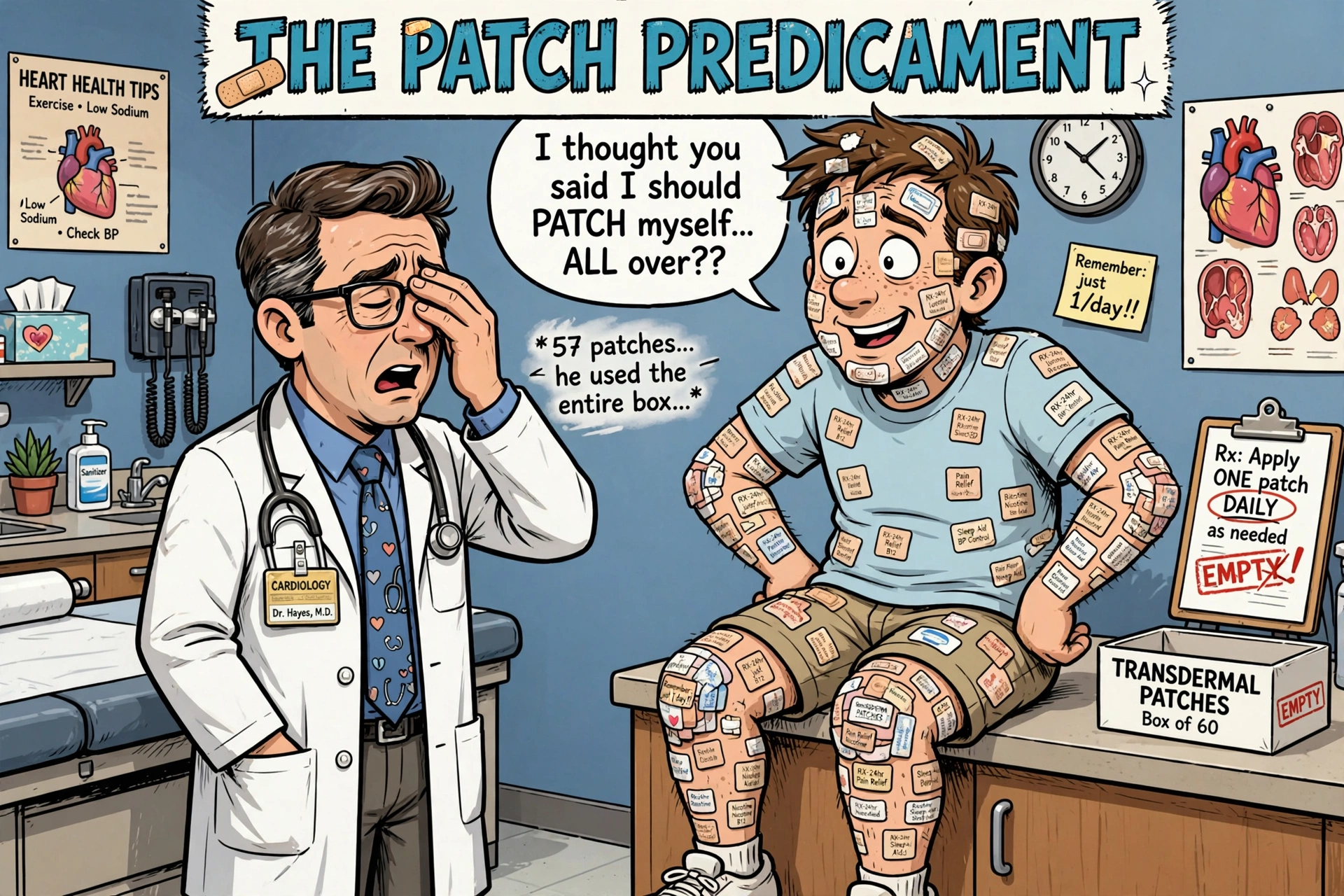
Here’s a more humorous take:
---
The Patch Predicament (or: How to Turn Your Body into a Sticker Book)
During a routine two-week follow-up, a patient casually dropped a bombshell on his cardiologist.
“So, Doc, I’m having a little trouble with one of my meds.”
The doctor braced himself. “Which one?”
“The patch,” the patient sighed. “The nurse said to slap on a fresh one every six hours. And honestly? I’m running out of real estate. My elbows are taken, my knees are double-booked, and I’m starting to eye my forehead.”
The doctor’s eye twitched. He asked the patient to strip down, praying to every medical god that he was wrong.
He was not wrong.
Fifty-seven patches. Glittering like a very confused disco ball of transdermal medication. The man looked less like a patient and more like a human garage sale for pharmaceutical samples.
The doctor pinched the bridge of his nose and said, “Sir… those are not temporary tattoos. You’re supposed to remove the old one first.”
The patient blinked. “Oh. So… we’re not collecting them?”
And that’s how the instructions were rewritten—in bold, 72-point font, with a little cartoon of a trash can.
— Submitted by Dr. Rebecca St. Clair
---
The Patch Predicament (or: How to Turn Your Body into a Sticker Book)
During a routine two-week follow-up, a patient casually dropped a bombshell on his cardiologist.
“So, Doc, I’m having a little trouble with one of my meds.”
The doctor braced himself. “Which one?”
“The patch,” the patient sighed. “The nurse said to slap on a fresh one every six hours. And honestly? I’m running out of real estate. My elbows are taken, my knees are double-booked, and I’m starting to eye my forehead.”
The doctor’s eye twitched. He asked the patient to strip down, praying to every medical god that he was wrong.
He was not wrong.
Fifty-seven patches. Glittering like a very confused disco ball of transdermal medication. The man looked less like a patient and more like a human garage sale for pharmaceutical samples.
The doctor pinched the bridge of his nose and said, “Sir… those are not temporary tattoos. You’re supposed to remove the old one first.”
The patient blinked. “Oh. So… we’re not collecting them?”
And that’s how the instructions were rewritten—in bold, 72-point font, with a little cartoon of a trash can.
— Submitted by Dr. Rebecca St. Clair
No comments yet. Be the first to comment!
Login to comment
J
Nurse
Jul 16, 2026 • 6:46 AM
🧘 Wellness

💔 Understanding Ulcers
Ulcers - specifically peptic ulcers - are open sores that develop on the lining of the stomach, esophagus, or small intestine. They affect millions worldwide, with Helicobacter pylori infection and NSAID use being the leading causes. As healthcare professionals, we see the devastating impact these can have on patients' quality of life.
---
🔑 Key Prevention Strategies
1. Manage H. pylori Infection
· Get tested if you have a family history or persistent symptoms
· Complete prescribed antibiotic regimens fully
· Practice good hygiene - wash hands regularly, especially before eating
2. Use NSAIDs Responsibly
· Avoid long-term NSAID use unless absolutely necessary
· Always take with food or milk
· Consider alternatives like acetaminophen when possible
· Discuss protective medications like PPI or misoprostol with your doctor for long-term use
3. Watch Your Diet
Foods to Eat:
· High-fiber foods like fruits, vegetables, and whole grains
· Lean proteins such as fish, chicken, and beans
· Probiotics including yogurt and kefir
· Cabbage and its juice
· Foods rich in flavonoids like apples, celery, and garlic
· Green tea in moderation
Foods to Avoid:
· Spicy foods
· Fried and greasy foods
· Excessive caffeine
· Alcohol
· Acidic foods like tomatoes and citrus
· Processed foods
4. Lifestyle Modifications
· Stop smoking - tobacco increases acid production
· Limit alcohol consumption
· Manage stress through meditation, exercise, or therapy
· Get adequate sleep of 7-8 hours
· Maintain a healthy weight
5. Regular Health Monitoring
· Attend annual check-ups for high-risk individuals
· Promptly treat any GI symptoms
· Get tested if you have persistent stomach pain, heartburn, or indigestion
---
🚨 Red Flags to Watch For
Seek immediate medical attention if you experience:
· Vomiting, especially with blood
· Black, tarry stools
· Sudden, severe stomach pain
· Unexplained weight loss
· Persistent heartburn despite treatment
---
✅ Daily Prevention Checklist
Morning:
· Eat a balanced breakfast
· Take medications with food
· Stay hydrated
Afternoon:
· Avoid skipping meals
· Include probiotic-rich foods
· Manage stress levels
Evening:
· Have a light dinner
· Avoid late-night eating
· Limit alcohol intake
---
💡 Professional Tips
"The best treatment for ulcer is prevention. As practitioners, we must educate patients about the modifiable risk factors that contribute to this preventable condition."
— Dr. Adeola Ogunleye, Gastroenterologist
---
📚 Quick Reference for Patients
Simple Steps for Ulcer Prevention:
· Don't smoke - increases acid and delays healing
· Watch your alcohol - irritates and erodes stomach lining
· Curb caffeine - stimulates acid secretion
· Eat small meals - prevents acid buildup
· Avoid trigger foods - identify what aggravates you
· Manage stress - physical and emotional stress worsen ulcers
· Get tested for H. pylori if you're at risk
Ulcers - specifically peptic ulcers - are open sores that develop on the lining of the stomach, esophagus, or small intestine. They affect millions worldwide, with Helicobacter pylori infection and NSAID use being the leading causes. As healthcare professionals, we see the devastating impact these can have on patients' quality of life.
---
🔑 Key Prevention Strategies
1. Manage H. pylori Infection
· Get tested if you have a family history or persistent symptoms
· Complete prescribed antibiotic regimens fully
· Practice good hygiene - wash hands regularly, especially before eating
2. Use NSAIDs Responsibly
· Avoid long-term NSAID use unless absolutely necessary
· Always take with food or milk
· Consider alternatives like acetaminophen when possible
· Discuss protective medications like PPI or misoprostol with your doctor for long-term use
3. Watch Your Diet
Foods to Eat:
· High-fiber foods like fruits, vegetables, and whole grains
· Lean proteins such as fish, chicken, and beans
· Probiotics including yogurt and kefir
· Cabbage and its juice
· Foods rich in flavonoids like apples, celery, and garlic
· Green tea in moderation
Foods to Avoid:
· Spicy foods
· Fried and greasy foods
· Excessive caffeine
· Alcohol
· Acidic foods like tomatoes and citrus
· Processed foods
4. Lifestyle Modifications
· Stop smoking - tobacco increases acid production
· Limit alcohol consumption
· Manage stress through meditation, exercise, or therapy
· Get adequate sleep of 7-8 hours
· Maintain a healthy weight
5. Regular Health Monitoring
· Attend annual check-ups for high-risk individuals
· Promptly treat any GI symptoms
· Get tested if you have persistent stomach pain, heartburn, or indigestion
---
🚨 Red Flags to Watch For
Seek immediate medical attention if you experience:
· Vomiting, especially with blood
· Black, tarry stools
· Sudden, severe stomach pain
· Unexplained weight loss
· Persistent heartburn despite treatment
---
✅ Daily Prevention Checklist
Morning:
· Eat a balanced breakfast
· Take medications with food
· Stay hydrated
Afternoon:
· Avoid skipping meals
· Include probiotic-rich foods
· Manage stress levels
Evening:
· Have a light dinner
· Avoid late-night eating
· Limit alcohol intake
---
💡 Professional Tips
"The best treatment for ulcer is prevention. As practitioners, we must educate patients about the modifiable risk factors that contribute to this preventable condition."
— Dr. Adeola Ogunleye, Gastroenterologist
---
📚 Quick Reference for Patients
Simple Steps for Ulcer Prevention:
· Don't smoke - increases acid and delays healing
· Watch your alcohol - irritates and erodes stomach lining
· Curb caffeine - stimulates acid secretion
· Eat small meals - prevents acid buildup
· Avoid trigger foods - identify what aggravates you
· Manage stress - physical and emotional stress worsen ulcers
· Get tested for H. pylori if you're at risk
No comments yet. Be the first to comment!
Login to comment
F
Vendor
Jul 13, 2026 • 9:44 AM
🧘 Wellness

How To Prevent Heart Attack
Your heart sends you signals every single day, but most of us are too busy to listen until something goes wrong. Preventing a heart attack is not about one magic pill or a drastic diet overhaul. It is about small, consistent choices that add up to a healthier pulse over time.
The first and most powerful step is to know your numbers. Your blood pressure, cholesterol levels, and fasting blood sugar are the silent storytellers of your cardiovascular risk. Get them checked at least once a year. If any number is creeping up, do not wait for symptoms to appear before you take action.
Your daily movement matters just as much as your lab results. Aim for at least thirty minutes of moderate activity like brisk walking, cycling, or swimming on most days. Regular exercise strengthens your heart muscle, improves circulation, and helps keep your arteries flexible and clear.
What you put on your plate is equally critical. Shift your eating pattern toward whole grains, leafy greens, colorful vegetables, lean proteins like fish and poultry, and healthy fats from nuts and olive oil. At the same time, drastically cut back on processed meats, sugary drinks, and foods high in trans fats and refined carbohydrates. All of these fuel inflammation and plaque buildup in your arteries.
Stress management is the overlooked pillar of heart health. Chronic anxiety and unresolved tension keep your cortisol levels elevated, which raises blood pressure and encourages harmful clotting over time. Make it a non-negotiable part of your day to pause, breathe deeply, connect with loved ones, or practice mindfulness, even if only for five minutes.
Sleep is your heart's nightly repair session. Skimping on it for years can double your risk of cardiovascular disease. Commit to seven to eight hours of quality rest each night by keeping a consistent bedtime and putting screens away at least an hour before you lie down.
If you smoke, quitting is the single greatest gift you can give your heart. Tobacco smoke damages blood vessel linings, reduces oxygen in your blood, and accelerates atherosclerosis at an alarming rate. If you drink alcohol, do so only in moderation, meaning no more than one drink per day for women and two for men.
Finally, pay attention to your family history. Genetics do play a role, but they are not your destiny. Share your concerns openly with your doctor so they can tailor a prevention plan that fits your unique risk profile.
Heart attacks do not happen without warning signs in most cases, but those warnings are often subtle. Unusual fatigue, shortness of breath, or mild chest discomfort during exertion should never be dismissed as just getting older or being out of shape. Your heart has been beating faithfully for you every moment of your life. It is time to return the favor.
Your heart sends you signals every single day, but most of us are too busy to listen until something goes wrong. Preventing a heart attack is not about one magic pill or a drastic diet overhaul. It is about small, consistent choices that add up to a healthier pulse over time.
The first and most powerful step is to know your numbers. Your blood pressure, cholesterol levels, and fasting blood sugar are the silent storytellers of your cardiovascular risk. Get them checked at least once a year. If any number is creeping up, do not wait for symptoms to appear before you take action.
Your daily movement matters just as much as your lab results. Aim for at least thirty minutes of moderate activity like brisk walking, cycling, or swimming on most days. Regular exercise strengthens your heart muscle, improves circulation, and helps keep your arteries flexible and clear.
What you put on your plate is equally critical. Shift your eating pattern toward whole grains, leafy greens, colorful vegetables, lean proteins like fish and poultry, and healthy fats from nuts and olive oil. At the same time, drastically cut back on processed meats, sugary drinks, and foods high in trans fats and refined carbohydrates. All of these fuel inflammation and plaque buildup in your arteries.
Stress management is the overlooked pillar of heart health. Chronic anxiety and unresolved tension keep your cortisol levels elevated, which raises blood pressure and encourages harmful clotting over time. Make it a non-negotiable part of your day to pause, breathe deeply, connect with loved ones, or practice mindfulness, even if only for five minutes.
Sleep is your heart's nightly repair session. Skimping on it for years can double your risk of cardiovascular disease. Commit to seven to eight hours of quality rest each night by keeping a consistent bedtime and putting screens away at least an hour before you lie down.
If you smoke, quitting is the single greatest gift you can give your heart. Tobacco smoke damages blood vessel linings, reduces oxygen in your blood, and accelerates atherosclerosis at an alarming rate. If you drink alcohol, do so only in moderation, meaning no more than one drink per day for women and two for men.
Finally, pay attention to your family history. Genetics do play a role, but they are not your destiny. Share your concerns openly with your doctor so they can tailor a prevention plan that fits your unique risk profile.
Heart attacks do not happen without warning signs in most cases, but those warnings are often subtle. Unusual fatigue, shortness of breath, or mild chest discomfort during exertion should never be dismissed as just getting older or being out of shape. Your heart has been beating faithfully for you every moment of your life. It is time to return the favor.
No comments yet. Be the first to comment!
Login to comment
F
Vendor
Jul 13, 2026 • 9:03 AM
📌 General

📢 **New Listing Alert!**
**Comen AX700 Anesthesia Machine – 12.1" Four-Way Rotating Touchscreen with Modular Design**
👤 Posted by: Kelechi Nwagbara
📂 Type: Equipment
📍 Location: Lagos, Nigeria
💰 Price: ₦50,000 - ₦2,000,000
🏷️ Brand: Comen
🔗 **View & Purchase:** https://uhd.com.ng/nurse_mart/details.php?id=148 />
💬 Click the link above to view details and make a purchase!
**Comen AX700 Anesthesia Machine – 12.1" Four-Way Rotating Touchscreen with Modular Design**
👤 Posted by: Kelechi Nwagbara
📂 Type: Equipment
📍 Location: Lagos, Nigeria
💰 Price: ₦50,000 - ₦2,000,000
🏷️ Brand: Comen
🔗 **View & Purchase:** https://uhd.com.ng/nurse_mart/details.php?id=148
💬 Click the link above to view details and make a purchase!
No comments yet. Be the first to comment!
Login to comment
J
Nurse
Jul 13, 2026 • 8:35 AM
📌 General
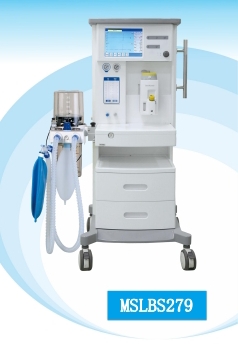
📢 **New Listing Alert!**
**Veterinary Anesthesia Machine with 2 Vaporizers – Safe & Reliable Animal Anesthesia System**
Posted by: Kelechi Nwagbara
Type: Equipment
Location: Lagos, Nigeria
Price: ₦50,000 - ₦2,000,000
📌 View full details: https://uhd.com.ng/nurse_mart/details.php?id=149
**Veterinary Anesthesia Machine with 2 Vaporizers – Safe & Reliable Animal Anesthesia System**
Posted by: Kelechi Nwagbara
Type: Equipment
Location: Lagos, Nigeria
Price: ₦50,000 - ₦2,000,000
📌 View full details: https://uhd.com.ng/nurse_mart/details.php?id=149
No comments yet. Be the first to comment!
Login to comment
M
Nurse
Jul 10, 2026 • 6:44 AM
📌 General

Let's Laugh a Little
A small balding man storms into a local bar and demands, “Gimme a double of the strongest whiskey you got. I’m so mad, I can’t even see straight.”
The bartender, noticing that the little man is a bit the worse for wear, pours him a double of Southern Comfort. The man swills down the drink and says, “Gimme another one.” The bartender pours the drink, but says, “Now, before I give you this, why don’t you let off a little steam and tell me why you’re so upset?”
So, the man begins his tale. “Well, I was sitting in the bar next door, when this gorgeous blonde slinks in and actually sits beside me at the bar. I thought, “Wow, this has never happened before.” You know, it was kind of a fantasy come true. Well, a couple of minutes later, the blonde leans over and asks if I’d like to come back to her hotel to have dinner and talk for a while.
I couldn’t believe this was happening, and I hadn’t had a good meal in quite a while. I managed to nod my head yes, so she grabs my hand and starts walking out of the bar. This seemed just too good to be true.” He continued, “She took me down the street here to a nice hotel and up to her room. She said to relax, watch some TV, and that she would be ready to go down to the restaurant in a few minutes.
But, as soon as I put my feet up and reclined my chair, I heard some keys jingling and someone starts fumbling with the door.” “The blonde says, ‘Oh my god, it’s my boyfriend. He must have lost his wrestling match tonight, he’s gonna be real mad. Quick, hide!’”
“So, I opened the closet, but I figured that was probably the first place he would look, so I didn’t hide there. Then I looked under the bed, but no, I figured he’s bound to look there, too. By now, I could hear the key in the lock. I noticed the window was open, so I climbed out and was hanging there by my fingers, praying that the guy wouldn’t see me.”
The bartender says “Well I can see how you might be a bit frustrated at this point.”
“Well, yeah, but I hear the guy finally get the door open and he yells out, ‘Who you been with now, you witch?’
The girl says, ‘Nobody, honey, now calm down.
“Well, the guy starts tearing up the room. I hear him tear the door off the closet and throw it across the room. I’m thinking, ‘Boy, I’m glad I didn’t hide in there.’ Then I hear him lift up the bed and throw it across the room. Good thing I didn’t hide under there either.
Then I heard him say, ‘What’s that over there by the window?’ I think, ‘Oh God, I’m dead meat now.’ But, the blonde by now is trying real hard to distract him and convince him to stop looking. Well, I hear the guy go into the bathroom and I hear water running for a long time; I figure maybe he’s gonna take a bath or something, when all of a sudden, the jerk pours a pitcher of scalding hot water out of the window right on top of my head.
I mean, look at this, I got second degree burns all over my scalp and shoulders!” The bartender says, “Oh man, that would have gotten me mad for sure.” “No, that didn’t really bother me.
Next, the guy starts slamming the window shut over and over on my hands. I mean, look at my fingers. They’re a bloody mess. I can hardly hold onto this glass.” The bartender looks at the guy’s hands and says, “Yeah, buddy, I can understand why you are so upset.”
“No, that wasn’t what really got me so angry though.” The bartender then asks in exasperation, “Well, then, what did finally make you anger?”
“Well, I was hanging on the window, and I turned around and looked down–I was only about six inches off the ground😡😡😡
A small balding man storms into a local bar and demands, “Gimme a double of the strongest whiskey you got. I’m so mad, I can’t even see straight.”
The bartender, noticing that the little man is a bit the worse for wear, pours him a double of Southern Comfort. The man swills down the drink and says, “Gimme another one.” The bartender pours the drink, but says, “Now, before I give you this, why don’t you let off a little steam and tell me why you’re so upset?”
So, the man begins his tale. “Well, I was sitting in the bar next door, when this gorgeous blonde slinks in and actually sits beside me at the bar. I thought, “Wow, this has never happened before.” You know, it was kind of a fantasy come true. Well, a couple of minutes later, the blonde leans over and asks if I’d like to come back to her hotel to have dinner and talk for a while.
I couldn’t believe this was happening, and I hadn’t had a good meal in quite a while. I managed to nod my head yes, so she grabs my hand and starts walking out of the bar. This seemed just too good to be true.” He continued, “She took me down the street here to a nice hotel and up to her room. She said to relax, watch some TV, and that she would be ready to go down to the restaurant in a few minutes.
But, as soon as I put my feet up and reclined my chair, I heard some keys jingling and someone starts fumbling with the door.” “The blonde says, ‘Oh my god, it’s my boyfriend. He must have lost his wrestling match tonight, he’s gonna be real mad. Quick, hide!’”
“So, I opened the closet, but I figured that was probably the first place he would look, so I didn’t hide there. Then I looked under the bed, but no, I figured he’s bound to look there, too. By now, I could hear the key in the lock. I noticed the window was open, so I climbed out and was hanging there by my fingers, praying that the guy wouldn’t see me.”
The bartender says “Well I can see how you might be a bit frustrated at this point.”
“Well, yeah, but I hear the guy finally get the door open and he yells out, ‘Who you been with now, you witch?’
The girl says, ‘Nobody, honey, now calm down.
“Well, the guy starts tearing up the room. I hear him tear the door off the closet and throw it across the room. I’m thinking, ‘Boy, I’m glad I didn’t hide in there.’ Then I hear him lift up the bed and throw it across the room. Good thing I didn’t hide under there either.
Then I heard him say, ‘What’s that over there by the window?’ I think, ‘Oh God, I’m dead meat now.’ But, the blonde by now is trying real hard to distract him and convince him to stop looking. Well, I hear the guy go into the bathroom and I hear water running for a long time; I figure maybe he’s gonna take a bath or something, when all of a sudden, the jerk pours a pitcher of scalding hot water out of the window right on top of my head.
I mean, look at this, I got second degree burns all over my scalp and shoulders!” The bartender says, “Oh man, that would have gotten me mad for sure.” “No, that didn’t really bother me.
Next, the guy starts slamming the window shut over and over on my hands. I mean, look at my fingers. They’re a bloody mess. I can hardly hold onto this glass.” The bartender looks at the guy’s hands and says, “Yeah, buddy, I can understand why you are so upset.”
“No, that wasn’t what really got me so angry though.” The bartender then asks in exasperation, “Well, then, what did finally make you anger?”
“Well, I was hanging on the window, and I turned around and looked down–I was only about six inches off the ground😡😡😡
M
I can't stop laughing 😁😁😁😄😄
Jul 10, 2026 • 11:38 AM
F
Quite amusing 😳
Jul 10, 2026 • 11:39 AM
Login to comment
F
Vendor
Jul 08, 2026 • 8:49 AM
📌 General

🧴 How to Prevent Body Odour: A Complete Guide to Staying Fresh
Body odour is something everyone experiences at some point, but it doesn't have to be a source of embarrassment or discomfort. The truth is that body odour is completely natural and happens when sweat mixes with bacteria on your skin. While sweating is your body's way of cooling itself down, the bacteria that break down the sweat produce the smell we all want to avoid. The good news is that preventing body odour is simple and achievable with the right habits and products. This guide will walk you through everything you need to know to stay fresh, confident, and comfortable all day long.
The first and most important step in preventing body odour is maintaining proper hygiene. Showering daily with antibacterial soap helps remove the bacteria that cause odour. Pay special attention to areas where you sweat the most, such as your armpits, groin, and feet. After showering, make sure you dry yourself thoroughly because moisture encourages bacterial growth. Using a clean towel and wearing fresh clothes every day also makes a significant difference. Your choice of clothing plays a huge role in how you smell. Natural fabrics like cotton, linen, and wool allow your skin to breathe and help sweat evaporate quickly. Synthetic fabrics like polyester trap moisture and create a perfect environment for bacteria to thrive. If you exercise or live in a hot climate, consider moisture-wicking athletic wear designed to keep you dry. Changing out of sweaty clothes as soon as possible is one of the most effective ways to prevent odour.
Antiperspirants and deodorants are your best friends in the fight against body odour, but they work in different ways. Antiperspirants reduce sweating by blocking your sweat glands, while deodorants mask the smell by killing bacteria or adding fragrance. For the best results, apply antiperspirant at night before bed when your sweat glands are less active, and reapply in the morning if needed. Look for products with aluminum-based compounds for maximum protection. If you prefer natural alternatives, options with baking soda, cornstarch, or tea tree oil can be effective. Some people find that switching between different brands prevents their skin from building up resistance.
Your diet also affects how you smell. Certain foods like garlic, onions, and spices can seep through your pores and cause strong body odour. Reducing your intake of these foods, especially before important events, can make a noticeable difference. Staying hydrated by drinking plenty of water helps dilute the concentration of odour-causing substances in your sweat. Eating a balanced diet rich in fruits, vegetables, and whole grains supports your body's natural detoxification processes. Some studies suggest that chlorophyll-rich foods like leafy greens can act as natural deodorants from the inside out.
Foot odour is a common and often overlooked issue. Your feet have more sweat glands than any other part of your body, making them prone to odour. Wearing breathable shoes and changing socks daily can prevent this. Rotating your shoes so they have time to dry out between wears is also helpful. Using foot powders or antifungal sprays can keep bacteria and fungi at bay. If you struggle with excessive foot sweating, consider using antibacterial soap specifically for your feet and applying a foot deodorant.
Managing stress is another important factor in controlling body odour. When you are stressed or anxious, your body produces a different type of sweat from your apocrine glands, which is thicker and more prone to bacterial breakdown. This is why you might notice a stronger smell when you are nervous. Practicing relaxation techniques like deep breathing, meditation, or yoga can help you stay calm and reduce stress-induced sweating. Regular exercise also helps regulate your body's stress response and improve your overall health, which in turn can reduce body odour.
For those who experience excessive sweating that does not respond to over-the-counter products, it may be worth consulting a doctor. Conditions like hyperhidrosis can cause extreme sweating and may require prescription-strength antiperspirants or medical treatments. In some cases, body odour can also be a sign of underlying health conditions such as diabetes, liver disease, or hormonal imbalances. If you notice sudden changes in your body odour or if it becomes unusually strong, seeking medical advice is a wise step.
Natural remedies can also be effective in preventing body odour. Apple cider vinegar, lemon juice, and witch hazel have natural antibacterial properties that can help reduce odour-causing bacteria. Applying these to your armpits with a cotton ball can serve as a natural deodorant. Baking soda mixed with water creates a paste that neutralises odour and absorbs moisture. Coconut oil has antimicrobial properties and can be used as a base for homemade deodorants. However, it is important to test these remedies on a small area of skin first to avoid irritation.
Maintaining good oral hygiene is another aspect of overall freshness. Bad breath is a form of body odour that can affect your confidence and social interactions. Brushing your teeth twice a day, flossing daily, and using mouthwash can keep your breath fresh. Drinking water throughout the day stimulates saliva production, which naturally cleanses your mouth. Chewing sugar-free gum or mints can provide temporary relief when you are on the go.
Ultimately, preventing body odour is about consistency and understanding your body's unique needs. Everyone's body chemistry is different, so what works for one person may not work for another. Experiment with different products, fabrics, and routines until you find what works best for you. Remember that a little sweat is normal and healthy; your goal is not to eliminate sweating entirely but to manage the smell that comes with it. With the right approach, you can stay fresh and confident all day long.
At Health Hub, we understand that looking and feeling your best is important for your overall wellbeing. If you are looking for more health tips or professional advice, feel free to explore our community or reach out to our team. Stay fresh, stay confident, and take care of your health!
---
🌿
Body odour is something everyone experiences at some point, but it doesn't have to be a source of embarrassment or discomfort. The truth is that body odour is completely natural and happens when sweat mixes with bacteria on your skin. While sweating is your body's way of cooling itself down, the bacteria that break down the sweat produce the smell we all want to avoid. The good news is that preventing body odour is simple and achievable with the right habits and products. This guide will walk you through everything you need to know to stay fresh, confident, and comfortable all day long.
The first and most important step in preventing body odour is maintaining proper hygiene. Showering daily with antibacterial soap helps remove the bacteria that cause odour. Pay special attention to areas where you sweat the most, such as your armpits, groin, and feet. After showering, make sure you dry yourself thoroughly because moisture encourages bacterial growth. Using a clean towel and wearing fresh clothes every day also makes a significant difference. Your choice of clothing plays a huge role in how you smell. Natural fabrics like cotton, linen, and wool allow your skin to breathe and help sweat evaporate quickly. Synthetic fabrics like polyester trap moisture and create a perfect environment for bacteria to thrive. If you exercise or live in a hot climate, consider moisture-wicking athletic wear designed to keep you dry. Changing out of sweaty clothes as soon as possible is one of the most effective ways to prevent odour.
Antiperspirants and deodorants are your best friends in the fight against body odour, but they work in different ways. Antiperspirants reduce sweating by blocking your sweat glands, while deodorants mask the smell by killing bacteria or adding fragrance. For the best results, apply antiperspirant at night before bed when your sweat glands are less active, and reapply in the morning if needed. Look for products with aluminum-based compounds for maximum protection. If you prefer natural alternatives, options with baking soda, cornstarch, or tea tree oil can be effective. Some people find that switching between different brands prevents their skin from building up resistance.
Your diet also affects how you smell. Certain foods like garlic, onions, and spices can seep through your pores and cause strong body odour. Reducing your intake of these foods, especially before important events, can make a noticeable difference. Staying hydrated by drinking plenty of water helps dilute the concentration of odour-causing substances in your sweat. Eating a balanced diet rich in fruits, vegetables, and whole grains supports your body's natural detoxification processes. Some studies suggest that chlorophyll-rich foods like leafy greens can act as natural deodorants from the inside out.
Foot odour is a common and often overlooked issue. Your feet have more sweat glands than any other part of your body, making them prone to odour. Wearing breathable shoes and changing socks daily can prevent this. Rotating your shoes so they have time to dry out between wears is also helpful. Using foot powders or antifungal sprays can keep bacteria and fungi at bay. If you struggle with excessive foot sweating, consider using antibacterial soap specifically for your feet and applying a foot deodorant.
Managing stress is another important factor in controlling body odour. When you are stressed or anxious, your body produces a different type of sweat from your apocrine glands, which is thicker and more prone to bacterial breakdown. This is why you might notice a stronger smell when you are nervous. Practicing relaxation techniques like deep breathing, meditation, or yoga can help you stay calm and reduce stress-induced sweating. Regular exercise also helps regulate your body's stress response and improve your overall health, which in turn can reduce body odour.
For those who experience excessive sweating that does not respond to over-the-counter products, it may be worth consulting a doctor. Conditions like hyperhidrosis can cause extreme sweating and may require prescription-strength antiperspirants or medical treatments. In some cases, body odour can also be a sign of underlying health conditions such as diabetes, liver disease, or hormonal imbalances. If you notice sudden changes in your body odour or if it becomes unusually strong, seeking medical advice is a wise step.
Natural remedies can also be effective in preventing body odour. Apple cider vinegar, lemon juice, and witch hazel have natural antibacterial properties that can help reduce odour-causing bacteria. Applying these to your armpits with a cotton ball can serve as a natural deodorant. Baking soda mixed with water creates a paste that neutralises odour and absorbs moisture. Coconut oil has antimicrobial properties and can be used as a base for homemade deodorants. However, it is important to test these remedies on a small area of skin first to avoid irritation.
Maintaining good oral hygiene is another aspect of overall freshness. Bad breath is a form of body odour that can affect your confidence and social interactions. Brushing your teeth twice a day, flossing daily, and using mouthwash can keep your breath fresh. Drinking water throughout the day stimulates saliva production, which naturally cleanses your mouth. Chewing sugar-free gum or mints can provide temporary relief when you are on the go.
Ultimately, preventing body odour is about consistency and understanding your body's unique needs. Everyone's body chemistry is different, so what works for one person may not work for another. Experiment with different products, fabrics, and routines until you find what works best for you. Remember that a little sweat is normal and healthy; your goal is not to eliminate sweating entirely but to manage the smell that comes with it. With the right approach, you can stay fresh and confident all day long.
At Health Hub, we understand that looking and feeling your best is important for your overall wellbeing. If you are looking for more health tips or professional advice, feel free to explore our community or reach out to our team. Stay fresh, stay confident, and take care of your health!
---
🌿
No comments yet. Be the first to comment!
Login to comment
M
Nurse
Jul 06, 2026 • 4:26 PM
🩺 Clinical
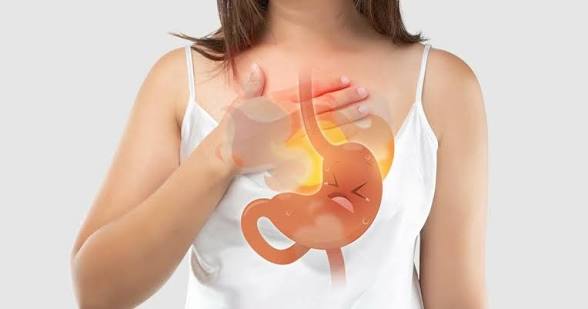
To keep heartburn at bay, the single most important habit is to finish your evening meal at least three full hours before you lie down for bed, because your stomach needs that time to digest and move food into your small intestine, and lying down too soon makes it incredibly easy for stomach acid to slosh backward into your esophagus while you sleep. When you do finally go to bed, make a conscious effort to sleep on your left side rather than your right, since the anatomy of your stomach and esophagus means that left-side sleeping naturally keeps the acidic contents low and contained, whereas right-side sleeping actually relaxes the valve that keeps acid down and encourages reflux throughout the night. Throughout your day, you should be ruthless about limiting or entirely avoiding the three most notorious triggers, which are coffee, alcohol, and any meals that are spicy, fried, or loaded with heavy fats, because each of these either irritates the esophageal lining directly or weakens the muscle that acts as a barrier between your stomach and your throat. Portion control matters just as much as what you eat, so instead of sitting down to three massive meals, try splitting your daily intake into four or five smaller servings and eat them slowly, pausing often, and always stop eating well before you feel stuffed, since an overfilled stomach creates excessive pressure that forces acid upward against the lower esophageal sphincter. Your clothing choices can also make a surprising difference, so avoid wearing anything with a tight waistband, belt, or high-waisted pants that compress your abdomen, especially after eating, because that external pressure directly squeezes your stomach and pushes digestive juices in the wrong direction. Finally, if you regularly take over-the-counter pain medications like ibuprofen, aspirin, or naproxen, be sure to swallow them only with a full meal and a glass of water, because these drugs are harsh on your stomach lining and can significantly increase acid production and sensitivity, making you far more prone to heartburn even from foods that normally would not bother you.
F
Quite enlightening 💗💗
Jul 10, 2026 • 10:21 AM
F
💯 lets have some more
Jul 10, 2026 • 10:22 AM
Login to comment
J
Employer
Jul 05, 2026 • 1:07 PM
📌 General
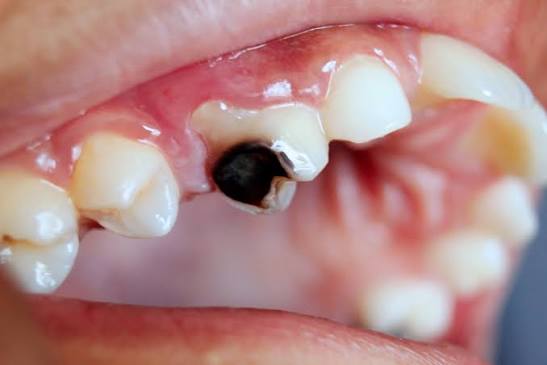
How to Prevent Tooth Decay: A Simple Guide
Tooth decay is one of the most common health problems worldwide, but the good news is that it is entirely preventable. Tooth decay happens when plaque, a sticky film of bacteria, builds up on your teeth and produces acids that attack the enamel. Over time, these acids create cavities. The first and most important step in preventing tooth decay is brushing your teeth properly. Brush at least twice a day using a fluoride toothpaste and a soft-bristled toothbrush. Make sure you brush for at least two minutes each time, reaching every surface of every tooth. Do not forget to brush your tongue as well, as it harbours bacteria that can contribute to decay and bad breath.
Flossing is just as important as brushing. Many people skip this step, but flossing removes food particles and plaque from between your teeth where your toothbrush cannot reach. Floss at least once a day, preferably before bedtime. Rinsing with a fluoride mouthwash after brushing can provide extra protection by strengthening your enamel and washing away remaining bacteria. Your diet plays a huge role in preventing tooth decay. Sugary and starchy foods feed the bacteria in your mouth, leading to acid production. Limit your intake of sweets, sodas, and processed snacks. When you do eat sugary foods, try to consume them with meals rather than as snacks, because your mouth produces more saliva during meals, which helps wash away acids. Drink plenty of water throughout the day, especially fluoridated water, as it helps rinse your mouth and strengthen your teeth.
Chewing sugar-free gum after meals stimulates saliva production, which naturally neutralises acids and washes away food particles. Look for gum that contains xylitol, a natural sweetener that actually inhibits the growth of cavity-causing bacteria. Regular dental check-ups are essential for preventing tooth decay. Visit your dentist at least twice a year for professional cleanings and examinations. Your dentist can detect early signs of decay before they become serious problems and can apply fluoride treatments or dental sealants to protect your teeth. Sealants are thin plastic coatings applied to the chewing surfaces of your back teeth, where decay often starts. They are especially beneficial for children and teenagers.
Be mindful of your habits. Avoid chewing on ice, hard sweets, or other hard objects that can crack your teeth. If you grind your teeth at night, talk to your dentist about getting a mouthguard to protect your enamel from wear. For parents, start good oral hygiene habits early. Clean your baby's gums with a soft cloth, and as soon as the first tooth appears, start brushing with a tiny amount of fluoride toothpaste. Teach your children to brush properly and make it fun so they develop a lifetime habit.
Remember, preventing tooth decay is much easier and less expensive than treating it. A few minutes of care each day, combined with regular dental visits and a healthy diet, will keep your smile bright and your teeth strong for life. Your oral health is connected to your overall health, so taking care of your mouth is taking care of your whole body. Start today, and your future self will thank you.
Tooth decay is one of the most common health problems worldwide, but the good news is that it is entirely preventable. Tooth decay happens when plaque, a sticky film of bacteria, builds up on your teeth and produces acids that attack the enamel. Over time, these acids create cavities. The first and most important step in preventing tooth decay is brushing your teeth properly. Brush at least twice a day using a fluoride toothpaste and a soft-bristled toothbrush. Make sure you brush for at least two minutes each time, reaching every surface of every tooth. Do not forget to brush your tongue as well, as it harbours bacteria that can contribute to decay and bad breath.
Flossing is just as important as brushing. Many people skip this step, but flossing removes food particles and plaque from between your teeth where your toothbrush cannot reach. Floss at least once a day, preferably before bedtime. Rinsing with a fluoride mouthwash after brushing can provide extra protection by strengthening your enamel and washing away remaining bacteria. Your diet plays a huge role in preventing tooth decay. Sugary and starchy foods feed the bacteria in your mouth, leading to acid production. Limit your intake of sweets, sodas, and processed snacks. When you do eat sugary foods, try to consume them with meals rather than as snacks, because your mouth produces more saliva during meals, which helps wash away acids. Drink plenty of water throughout the day, especially fluoridated water, as it helps rinse your mouth and strengthen your teeth.
Chewing sugar-free gum after meals stimulates saliva production, which naturally neutralises acids and washes away food particles. Look for gum that contains xylitol, a natural sweetener that actually inhibits the growth of cavity-causing bacteria. Regular dental check-ups are essential for preventing tooth decay. Visit your dentist at least twice a year for professional cleanings and examinations. Your dentist can detect early signs of decay before they become serious problems and can apply fluoride treatments or dental sealants to protect your teeth. Sealants are thin plastic coatings applied to the chewing surfaces of your back teeth, where decay often starts. They are especially beneficial for children and teenagers.
Be mindful of your habits. Avoid chewing on ice, hard sweets, or other hard objects that can crack your teeth. If you grind your teeth at night, talk to your dentist about getting a mouthguard to protect your enamel from wear. For parents, start good oral hygiene habits early. Clean your baby's gums with a soft cloth, and as soon as the first tooth appears, start brushing with a tiny amount of fluoride toothpaste. Teach your children to brush properly and make it fun so they develop a lifetime habit.
Remember, preventing tooth decay is much easier and less expensive than treating it. A few minutes of care each day, combined with regular dental visits and a healthy diet, will keep your smile bright and your teeth strong for life. Your oral health is connected to your overall health, so taking care of your mouth is taking care of your whole body. Start today, and your future self will thank you.
No comments yet. Be the first to comment!
Login to comment
M
Nurse
Jul 05, 2026 • 12:18 AM
📌 General
Let's Proceed
No comments yet. Be the first to comment!
Login to comment
B
Hp
Jul 04, 2026 • 9:55 PM
📌 General
How to Stay Healthy: Simple Steps for a Better Life
Good health is not about complicated routines or extreme diets. It is about making small, consistent choices that add up over time. The foundation of a healthy life rests on four pillars: what you eat, how you move, how you rest, and how you manage your mind.
Start with your diet. Eat real food. Fill your plate with colourful vegetables, fruits, lean proteins, and whole grains. Drink plenty of water throughout the day. Cut back on processed foods, sugary drinks, and excessive salt. Your body knows what it needs. Listen to it.
Move your body daily. You do not need to spend hours at the gym. A thirty-minute walk, a short stretch in the morning, or a quick dance session in your living room all count. Find movement you enjoy and make it part of your routine. Consistency matters more than intensity.
Prioritise your sleep. Your body repairs itself while you sleep. Aim for seven to nine hours of quality rest each night. Create a calming bedtime routine. Keep your bedroom cool, dark, and quiet. Avoid screens at least an hour before bed. Quality sleep improves your mood, memory, and immune system.
Take care of your mental health. Stress is a part of life, but it does not have to control you. Practice deep breathing when you feel overwhelmed. Take breaks during your day. Talk to someone you trust about how you are feeling. Journaling, meditation, or simply sitting in silence for a few minutes can help clear your mind.
Stay connected with others. Meaningful relationships are good for your health. Spend time with family and friends. Join a community group or volunteer. Helping others reduces stress and gives you a sense of purpose. You are not meant to go through life alone.
Listen to your body. Pay attention to what it tells you. If something feels off, do not ignore it. Go for regular check-ups and screenings. Catching problems early makes them easier to treat. Know your numbers: blood pressure, cholesterol, and blood sugar levels.
Be kind to yourself. Health is not about perfection. You will have days when you make choices that are not ideal. That is okay. What matters is that you keep coming back to your commitment to yourself. Progress, not perfection, is the goal.
Start small. Pick one thing to work on today. Drink an extra glass of water. Take a short walk. Go to bed thirty minutes earlier. Over time, these small changes will compound into a healthier, happier life. Your health is your greatest asset. Invest in it wisely.
Good health is not about complicated routines or extreme diets. It is about making small, consistent choices that add up over time. The foundation of a healthy life rests on four pillars: what you eat, how you move, how you rest, and how you manage your mind.
Start with your diet. Eat real food. Fill your plate with colourful vegetables, fruits, lean proteins, and whole grains. Drink plenty of water throughout the day. Cut back on processed foods, sugary drinks, and excessive salt. Your body knows what it needs. Listen to it.
Move your body daily. You do not need to spend hours at the gym. A thirty-minute walk, a short stretch in the morning, or a quick dance session in your living room all count. Find movement you enjoy and make it part of your routine. Consistency matters more than intensity.
Prioritise your sleep. Your body repairs itself while you sleep. Aim for seven to nine hours of quality rest each night. Create a calming bedtime routine. Keep your bedroom cool, dark, and quiet. Avoid screens at least an hour before bed. Quality sleep improves your mood, memory, and immune system.
Take care of your mental health. Stress is a part of life, but it does not have to control you. Practice deep breathing when you feel overwhelmed. Take breaks during your day. Talk to someone you trust about how you are feeling. Journaling, meditation, or simply sitting in silence for a few minutes can help clear your mind.
Stay connected with others. Meaningful relationships are good for your health. Spend time with family and friends. Join a community group or volunteer. Helping others reduces stress and gives you a sense of purpose. You are not meant to go through life alone.
Listen to your body. Pay attention to what it tells you. If something feels off, do not ignore it. Go for regular check-ups and screenings. Catching problems early makes them easier to treat. Know your numbers: blood pressure, cholesterol, and blood sugar levels.
Be kind to yourself. Health is not about perfection. You will have days when you make choices that are not ideal. That is okay. What matters is that you keep coming back to your commitment to yourself. Progress, not perfection, is the goal.
Start small. Pick one thing to work on today. Drink an extra glass of water. Take a short walk. Go to bed thirty minutes earlier. Over time, these small changes will compound into a healthier, happier life. Your health is your greatest asset. Invest in it wisely.
No comments yet. Be the first to comment!
Login to comment
B
Hp
Jul 04, 2026 • 1:43 PM
📌 General
Health and Lifestyle: Your Path to Wellness
Living a healthy lifestyle is one of the most important investments you can make in yourself. It is not just about eating right or exercising occasionally; it is about creating a sustainable rhythm that nourishes your body, mind, and spirit.
In today's fast-paced world, many of us have become disconnected from the simple habits that keep us well. But health is not complicated. It is a series of small choices made consistently that compound into extraordinary results.
When you wake up each morning, you have an opportunity to choose vitality over exhaustion and nourishment over convenience. Your body wants to heal, thrive, and perform at its best; you simply need to give it the right conditions. This starts with what you put into your body. Whole foods rich in colour and nutrients provide the building blocks for strong immunity and steady energy.
Hydration is equally critical. Even mild dehydration can leave you feeling tired and unfocused. Beyond nutrition, movement is essential. Our bodies were designed to move, not to sit for hours. A brisk walk during your lunch break or stretching in the morning can make a meaningful difference. Find movement you enjoy so it becomes something you look forward to.
Equally important is rest. Sleep is when your body repairs itself and clears toxins from your brain. Prioritizing seven to nine hours of quality sleep each night will transform your energy and mental clarity. Your mental health deserves as much attention as your body. Mindfulness practices like deep breathing and meditation can help you stay grounded.
Social connections are another vital component of wellbeing. Meaningful relationships provide emotional support and give us a sense of belonging. Taking care of your health also means being proactive with regular check-ups and listening to your body's signals. Be kind to yourself on this journey. Health is not about perfection; it is about progress.
Your health is your greatest asset. Start small, stay consistent, and trust the process. Health is not a destination; it is a daily practice of loving yourself enough to make choices that honour your wellbeing. Embrace the journey, and celebrate every step forward, no matter how small. Remember, you are not alone. Health Hub is here to support you every step of the way.
Living a healthy lifestyle is one of the most important investments you can make in yourself. It is not just about eating right or exercising occasionally; it is about creating a sustainable rhythm that nourishes your body, mind, and spirit.
In today's fast-paced world, many of us have become disconnected from the simple habits that keep us well. But health is not complicated. It is a series of small choices made consistently that compound into extraordinary results.
When you wake up each morning, you have an opportunity to choose vitality over exhaustion and nourishment over convenience. Your body wants to heal, thrive, and perform at its best; you simply need to give it the right conditions. This starts with what you put into your body. Whole foods rich in colour and nutrients provide the building blocks for strong immunity and steady energy.
Hydration is equally critical. Even mild dehydration can leave you feeling tired and unfocused. Beyond nutrition, movement is essential. Our bodies were designed to move, not to sit for hours. A brisk walk during your lunch break or stretching in the morning can make a meaningful difference. Find movement you enjoy so it becomes something you look forward to.
Equally important is rest. Sleep is when your body repairs itself and clears toxins from your brain. Prioritizing seven to nine hours of quality sleep each night will transform your energy and mental clarity. Your mental health deserves as much attention as your body. Mindfulness practices like deep breathing and meditation can help you stay grounded.
Social connections are another vital component of wellbeing. Meaningful relationships provide emotional support and give us a sense of belonging. Taking care of your health also means being proactive with regular check-ups and listening to your body's signals. Be kind to yourself on this journey. Health is not about perfection; it is about progress.
Your health is your greatest asset. Start small, stay consistent, and trust the process. Health is not a destination; it is a daily practice of loving yourself enough to make choices that honour your wellbeing. Embrace the journey, and celebrate every step forward, no matter how small. Remember, you are not alone. Health Hub is here to support you every step of the way.
B
Hp
Jul 04, 2026 • 9:13 AM
📌 General
I love this platform
J
Me too
Jul 04, 2026 • 9:15 AM
Login to comment
No comments yet. Be the first to comment!
Login to comment